

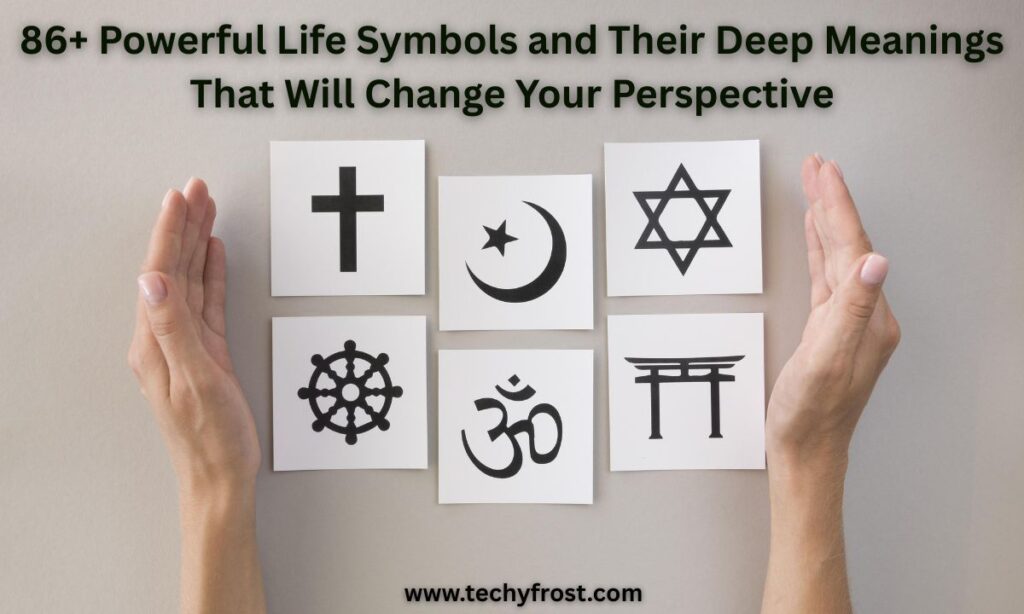
Have you ever looked at a simple drawing on an ancient wall and felt something stir deep inside you? That is the power of life symbols. Across thousands of years and every corner of the planet, human beings have created, used, and passed down symbols that capture the very essence of what it means to be alive. These are not just drawings or decorations. They are coded messages from our ancestors — visual languages that explain birth, growth, change, death, and rebirth in ways that words alone cannot.
Whether you are drawn to the Egyptian Ankh, the Buddhist Lotus, the Celtic Tree of Life, or the Phoenix of Greek mythology, each symbol carries layers of meaning that reach far beyond its simple shape. In this guide, we will explore 86+ powerful life symbols, unpack their deep meanings, trace their roots across cultures, and show you why they still hold so much power today.
What Are Life Symbols?
Life symbols are visual representations — images, shapes, patterns, or objects — that humans use to express the concept of existence, growth, vitality, transformation, and the eternal cycle of life. They are special signs that represent growth, energy, strength, and the journey of living. Different cultures around the world have created symbols to explain the meaning of life in their own way.
Some symbols represent new beginnings. Others communicate balance, eternal existence, resilience, or spiritual connection. What makes life symbols so remarkable is their universality. Even without sharing a language or geography, people across civilizations — ancient Egypt, Celtic Europe, indigenous America, Buddhist Asia — arrived at many of the same symbolic ideas independently.
Humans are the only species on the planet capable of recognizing their own mortality. We are blessed and cursed with the knowledge that we will die one day, which makes us ponder life’s biggest questions, like why we are here and what happens when we die. Life symbols exist precisely because of this awareness. They help us make sense of the journey — to hold something in our hand, wear it on our body, or draw it on a wall and say: I understand that I am alive, and this is what that means to me.
Life Symbols and Meanings: A Quick Overview Table
| Symbol | Origin | Core Meaning |
| Tree of Life | Universal | Growth, connection, eternity |
| Ankh | Ancient Egypt | Eternal life, immortality |
| Lotus Flower | Buddhism/Hinduism | Rebirth, purity, enlightenment |
| Infinity Symbol | Mathematics/Spirituality | Endless existence, limitlessness |
| Phoenix | Greek/Egyptian Mythology | Rebirth, transformation |
| Spiral | Celtic/Universal | Growth, evolution, journey |
| Butterfly | Universal | Transformation, new beginnings |
| Eye of Horus | Ancient Egypt | Protection, health, power |
| Ouroboros | Gnostic/Egyptian | Eternal cycle, wholeness |
| Yin-Yang | Taoism | Balance, duality, interdependence |
| Scarab Beetle | Ancient Egypt | Rebirth, regeneration |
| Flower of Life | Sacred Geometry | Interconnection, creation, wholeness |
| Sun | Universal | Life force, energy, power |
| Water | Universal | Renewal, flow, cleansing |
| Egg | Universal | New life, potential, creation |
| Circle | Universal | Eternity, wholeness, cycles |
| Sunrise | Universal | New beginnings, hope |
| Greek Key (Meander) | Ancient Greece | Eternity, continuous life |
| Olive Branch | Ancient Greece | Peace, new life, renewal |
| Djed Pillar | Ancient Egypt | Stability, strength, regeneration |
The Tree of Life: The World’s Most Universal Symbol
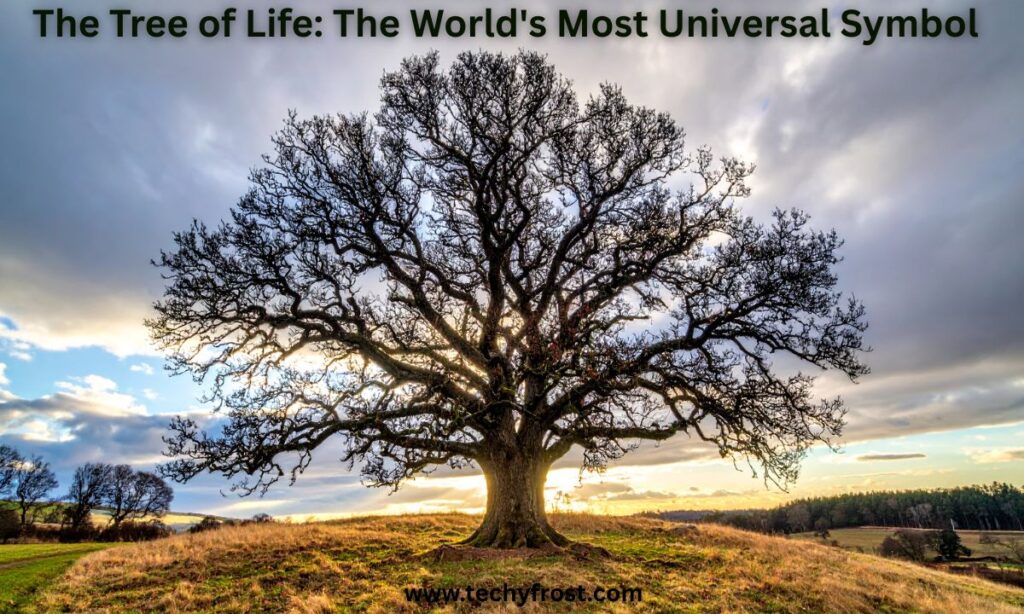
If there is one single symbol that appears across virtually every major culture and religion in history, it is the Tree of Life. It usually shows a large tree with deep roots and wide branches. The roots represent connection to the earth and our past. The trunk stands for strength and stability.
In Norse mythology, this tree is called Yggdrasil — the great cosmic ash tree that connects the nine worlds of existence. In Celtic tradition, the tree was sacred because it bridged the earth below and the heavens above, and its roots reached into the world of the dead. In Judaism and Kabbalah, the Tree of Life (Sefirot) represents the ten divine emanations through which the universe was created. In Christianity, the Tree of Life appears in the Garden of Eden as the source of immortal existence.
The pagan belief in the power of trees persists to this day. For example, Ireland is dotted with “fairy trees” adorned with medallions, ribbons, and messages from people seeking wisdom, health, or prosperity. Ultimately, the Tree of Life may also symbolize the four elements: air, water, wind, and earth, which are essential for life.
Tree of Life Symbols and Meanings at a Glance
- Roots — ancestral connection, grounding, the hidden foundation of life
- Trunk — strength, resilience, the steady passage through time
- Branches — growth, reaching toward knowledge and the divine
- Leaves — the individual lives that bloom, age, and fall — and grow again
- Fruit — the wisdom and abundance that life produces
Egyptian Life Symbols and Their Deep Meanings
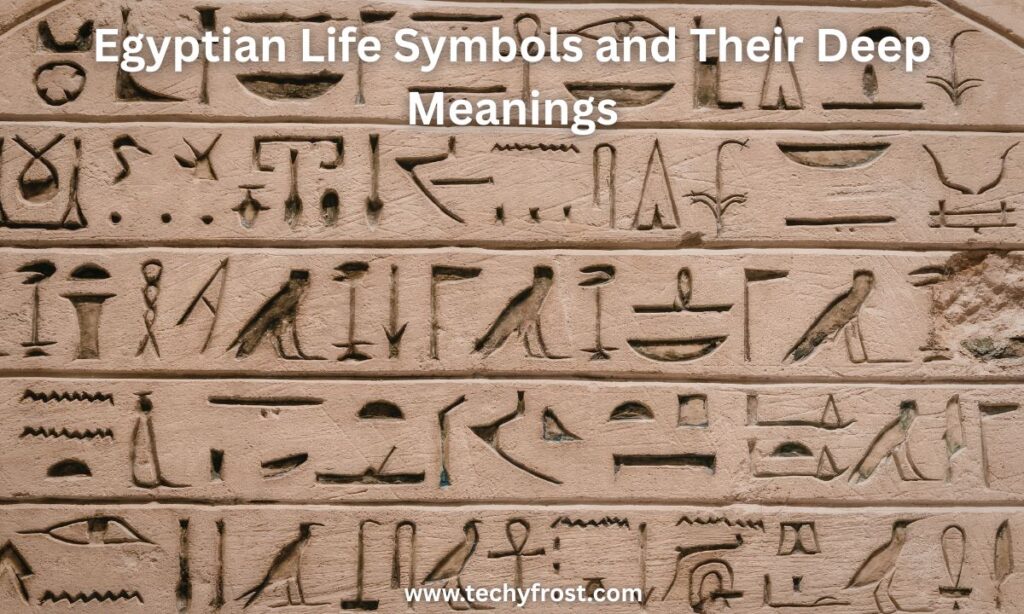
Ancient Egypt gave humanity some of the most enduring and recognizable life symbols ever created. These were not mere art. They were a visual language connecting the physical world to the divine.
The Ankh — The Key of Life
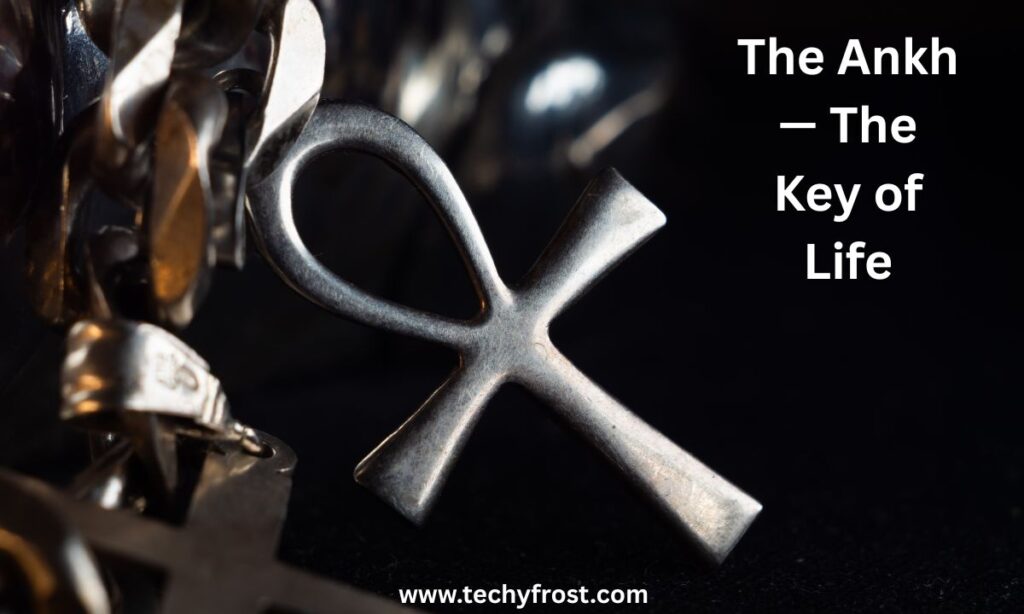
Also known as the key of life, the Ankh is a cross-shaped symbol with a teardrop loop instead of an upper bar. It is an Egyptian symbol that signifies eternal life, life after death, and regeneration of life.
The ancient Egyptians used the ankh as a powerful symbol of life, immortality, and rebirth. They often depicted their gods holding an ankh, signifying their power to bestow life upon the deceased in the afterlife.
The Ankh was one of the most common decorative and religious motifs in all of Egyptian art. It appeared on tomb walls, temple carvings, jewelry, and amulets. Pharaohs were depicted receiving the Ankh from the gods — a symbolic transfer of divine life force. Even today, the ankh remains the most powerful symbol of eternal life, appearing in over 85% of Egyptian tomb paintings discovered by archaeologists.
The Scarab Beetle — Symbol of Regeneration
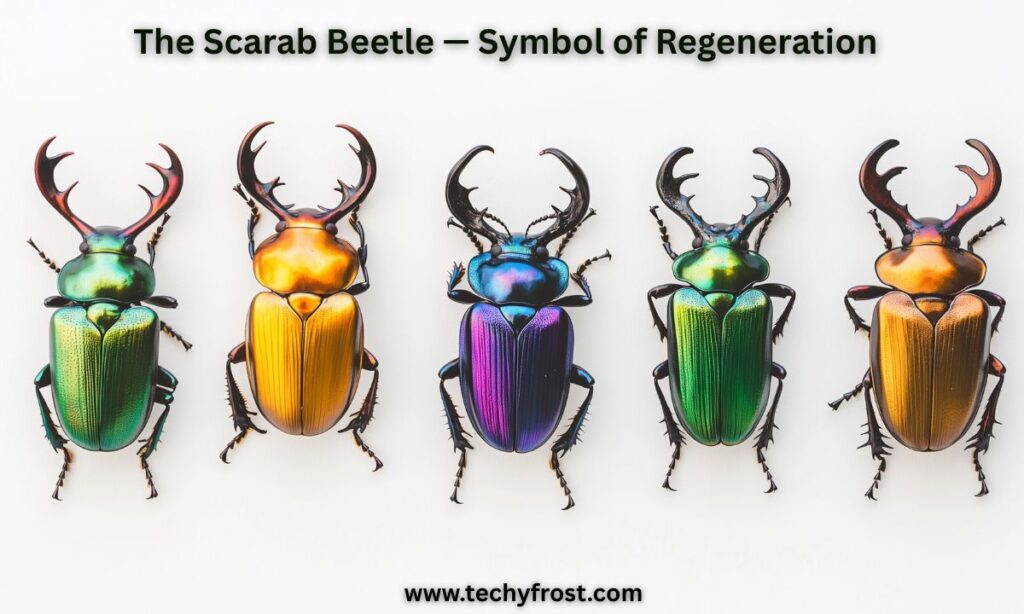
The scarab beetle belonged to Khepri, the morning sun god. The scarab represents the god who rolled the sun across the sky, protecting it through the underworld until it rose again at dawn. When Ra became the dominant sun god, the scarab deity Khepri became associated with rebirth and renewal.
The Egyptians observed dung beetles rolling balls of dung across the sand and saw in this humble act a mirror of the sun crossing the sky. The scarab became a symbol of transformation, protection, and the endless renewal of life. Scarab amulets were placed in tombs and on mummies to protect the deceased on their journey through the afterlife.
The Djed Pillar — Stability in Life
The Djed is an ancient Egyptian symbol for stability, known as “The Backbone of Osiris.” This symbol was Osirian in nature and was primarily associated with themes of rebirth and regeneration.
The djed pillar was painted on coffin floors, where the deceased’s spine would rest, magically giving them strength to rise. It embodies the idea that life requires a stable foundation — physical, spiritual, and structural.
The Eye of Horus — Guardian of Life
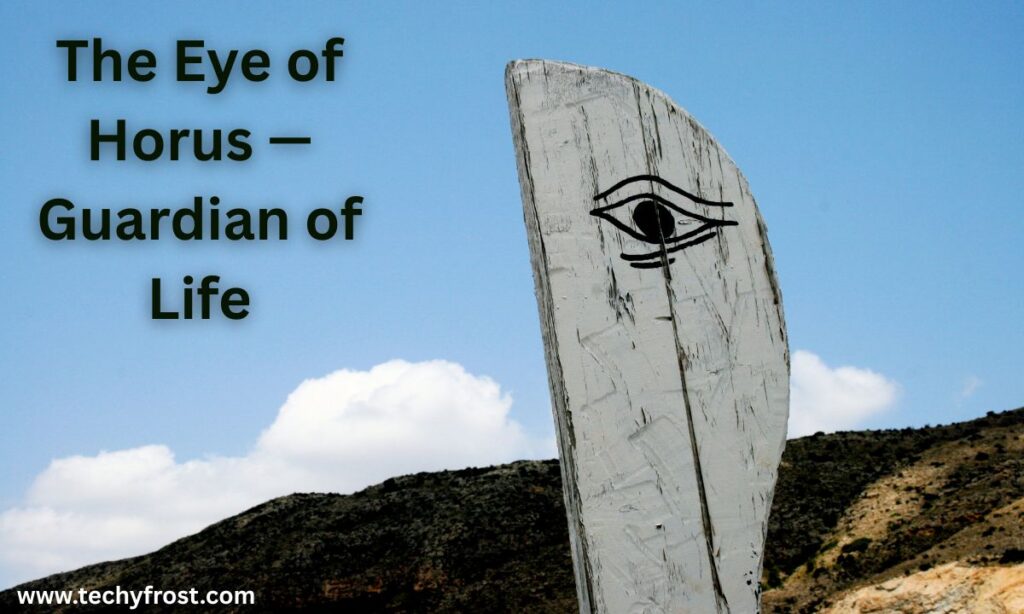
The Eye of Horus was known in ancient Egypt as protection against envy, disease, harmful animals, and evil spirits, and also represented good health and royal power.
The left eye of the falcon god Horus — injured in battle and restored by Thoth — became the ultimate symbol of healing, wholeness, and protective life force. It was used in mathematical calculations (each part of the eye represented a fraction) and also as a powerful amulet for the living and the dead.
Spiritual Life Symbols and Their Meanings
The Lotus Flower — Beauty Rising from Darkness
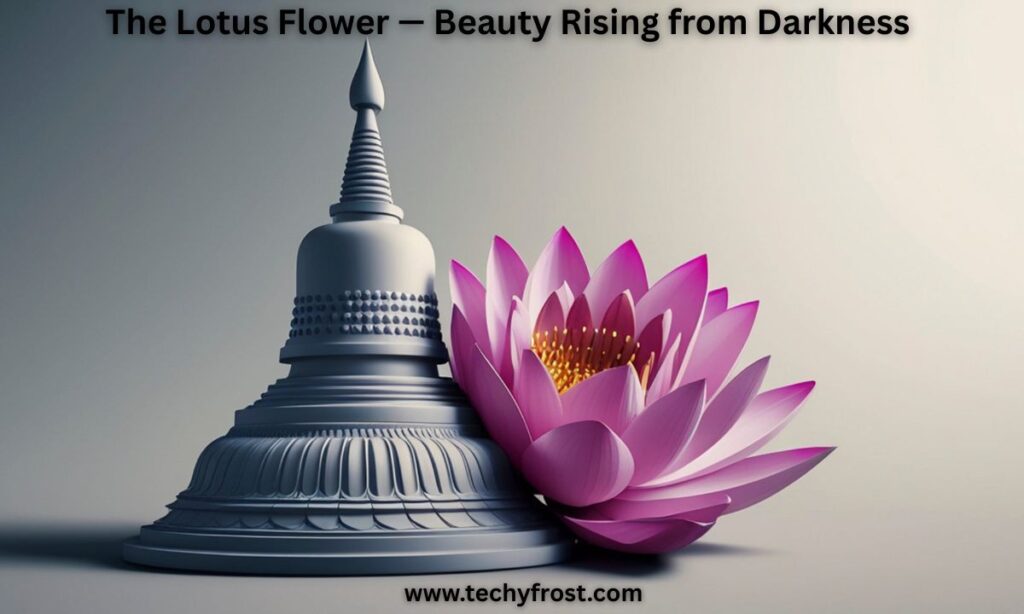
There is no more poetic life symbol in the natural world than the Lotus. The gorgeous bloom emerges from muddy waters, showing how beauty can come from something soiled. Like the sun, its petals disappear at night but reappear in the sunlight, representing the cycles of life and death.
In Buddhism, the Lotus represents the path to enlightenment. In Hinduism, it is the seat of the creator god Brahma and the goddess Lakshmi. In ancient Egypt, the lotus was a symbol of creation because it rose from the primordial waters each morning. For spiritual practitioners everywhere, the Lotus whispers a timeless message: no matter how dark or difficult your circumstances, you can rise, bloom, and shine.
The Infinity Symbol — Life Without End
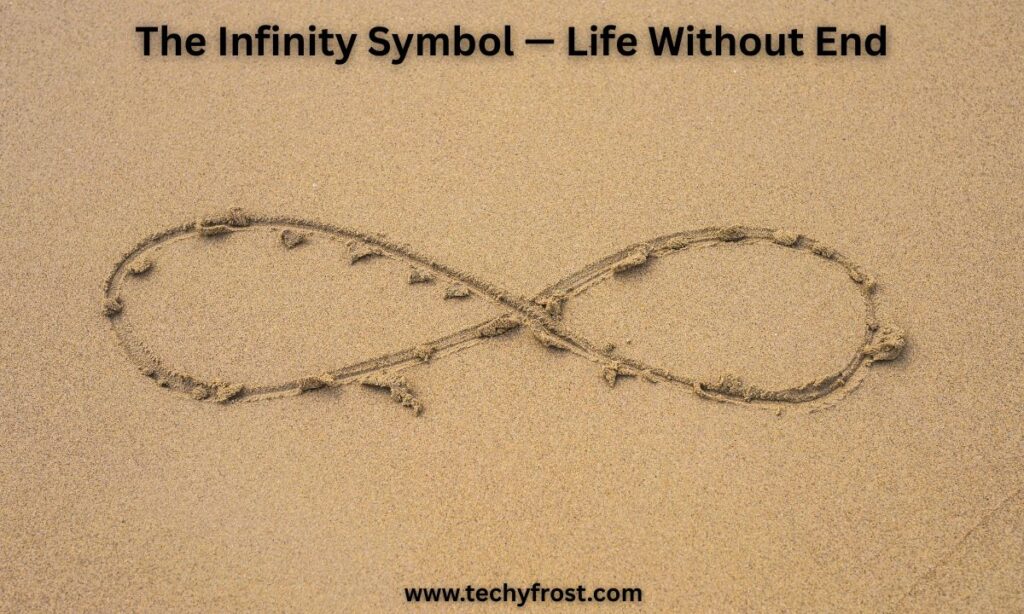
The horizontal figure eight that we associate with infinity originated in mathematics. In 1655, mathematician John Wallis introduced it as a representation of infinity. Some speculate that he derived it from the Roman numeral for 1,000, CIƆ, which resembles the infinity symbol and can also mean “many.”
Beyond mathematics, the infinity symbol has become one of the most popular modern life symbols. It expresses the belief that consciousness, love, and the soul are not limited by time or death. In jewelry, tattoos, and spiritual art, it is often paired with hearts, names of loved ones, or other symbols to express eternal connection.
The Spiral — The Shape of Growth Itself
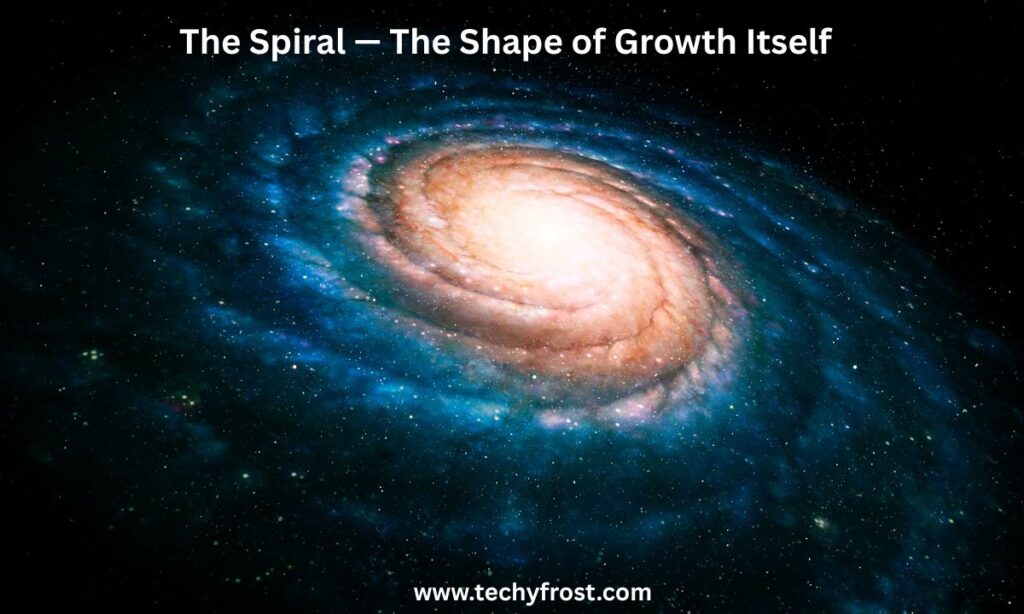
Spirals abound in nature. We see them in crustacean shells, pinecones, curled-up plant stems, and hurricanes. Their prevalence and easy-to-reproduce geometry make them an archetypal symbol, meaning they’re found across cultures and times.
In Celtic spirituality, the triple spiral (Triskelion) represented the three worlds — land, sea, and sky — and the continuous motion of life. In Native American traditions, the spiral represents the journey of the soul. In modern psychology, the spiral is used as a metaphor for personal growth: we revisit the same life lessons, but each time at a higher, more evolved level.
The Flower of Life — Sacred Geometry’s Greatest Symbol
The Flower of Life is one of the most recognized sacred geometry symbols in spiritual practice, mystical traditions, and energy work. This ancient geometric pattern appears across cultures, time periods, and spiritual systems — from Egyptian temples to Renaissance art, from Kabbalistic mysticism to modern crystal healing grids.
The Flower of Life consists of 19 overlapping circles that intersect to form a flower-like pattern. Each circle connects to the next, and each layer reveals secrets about the cosmos.
The oldest known Flower of Life carving appears at the Temple of Osiris in Abydos, Egypt, dating back over 6,000 years. This precise geometric pattern was also studied by Leonardo da Vinci, who used its proportions in his art and scientific investigations. Flower of Life patterns appear in Celtic art, medieval Christian churches, and Renaissance manuscripts.
Why the Flower of Life Is So Powerful
- Every circle in the pattern overlaps with others, symbolizing the interconnection of all life
- The repeating mathematical structure mirrors the growth of cells and the spin of galaxies
- A 2022 study in Frontiers in Neuroscience found that exposure to fractal and symmetrical geometry reduced default mode network activity — the part of the brain associated with mental rumination and anxiety — while enhancing present-moment awareness.
- It contains within it the Seed of Life, the Egg of Life, the Tree of Life (Sefirot), and Metatron’s Cube
New Life Symbols and What They Represent
| Symbol | Core Symbolism | Why It Represents New Life |
| Butterfly | Transformation | Complete metamorphosis from caterpillar to winged beauty |
| Sunrise | Hope, beginnings | The daily renewal of light after darkness |
| Egg | Potential, creation | Life contained and ready to emerge |
| Phoenix | Rebirth from ashes | Destruction gives way to a more powerful new form |
| Spring Flowers | Renewal | Blooming after winter’s death |
| Rain | Cleansing, growth | Water that revives dormant seeds |
| Baby Animals | Innocence, fresh start | Pure life at its earliest stage |
The Butterfly — Life’s Most Beautiful Transformation
Native Americans have considered butterflies as symbols of transformation, hope, and rebirth. Their life cycle — from caterpillar to cocoon, and then to a stunning butterfly — is a metaphorical journey that many of us can relate to in our own lives. In Chinese culture, the symbolism of butterflies evokes the qualities of freedom, earthly beauty, love, and the human soul.
The butterfly is a master symbol for anyone navigating a period of change. The message it carries is simple but profound: the darkest, most confined phase of your life may be the very thing preparing you for your greatest transformation.
The Phoenix — Death as the Gateway to Rebirth
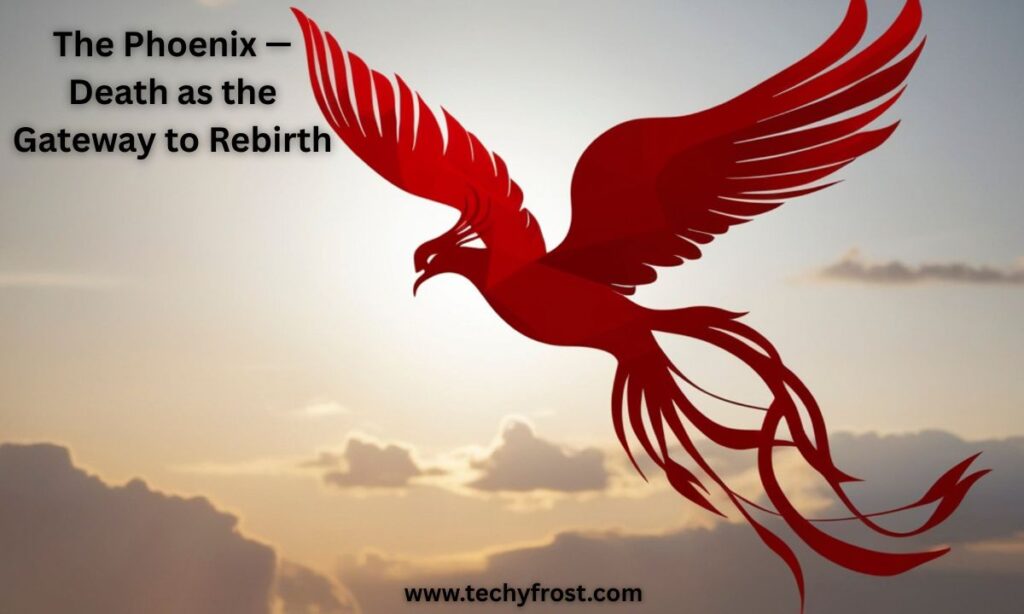
The Phoenix is a mythical bird with roots in ancient Egyptian mythology. According to myth, the bird lives for five hundred years, after which it bursts into flames. From there, the bird will rise from the ashes, and it will be reborn as a new Phoenix. Because of its ability to be reborn, this mythical bird has become a popular symbol of life, death, rebirth, and immortality.
The phoenix bird symbolizes immortality, resurrection and life after death, and in ancient Greek and Egyptian mythology, it is associated with the sun god. Within Christianity, the Phoenix has become a symbol of Christ’s resurrection, eternal life, and the triumph of good over evil.
Greek Life Symbols and Their Meanings
Ancient Greece left an extraordinary legacy of life symbols that continue to shape Western thought, art, and spirituality.
The Greek Key (Meander)
The Greek Key — also known as the Meander — is a repeating geometric pattern that appears like a continuous line folding back on itself in right angles. Named after the winding Meander River in what is now Turkey, it symbolizes the eternal flow of life, infinity, and the unity between the earthly and the divine. It is one of the oldest decorative motifs in Western art, used on temples, pottery, clothing, and architecture.
The Olive Branch
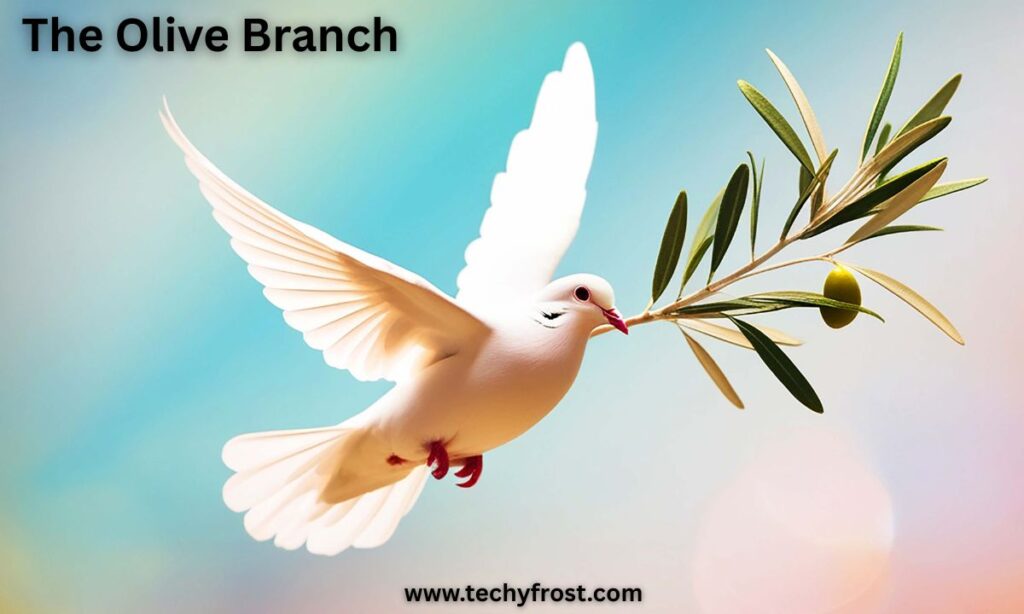
In ancient Greece, the olive branch was sacred to Athena, the goddess of wisdom. Mankind’s earliest religions understood that without certain plants and trees, civilizations could not survive. The olive tree lived for thousands of years and provided food, oil, and wood. An olive branch became a symbol of peace, new life, and the hope for a flourishing future — a meaning that persists to this day in the United Nations emblem.
The Owl
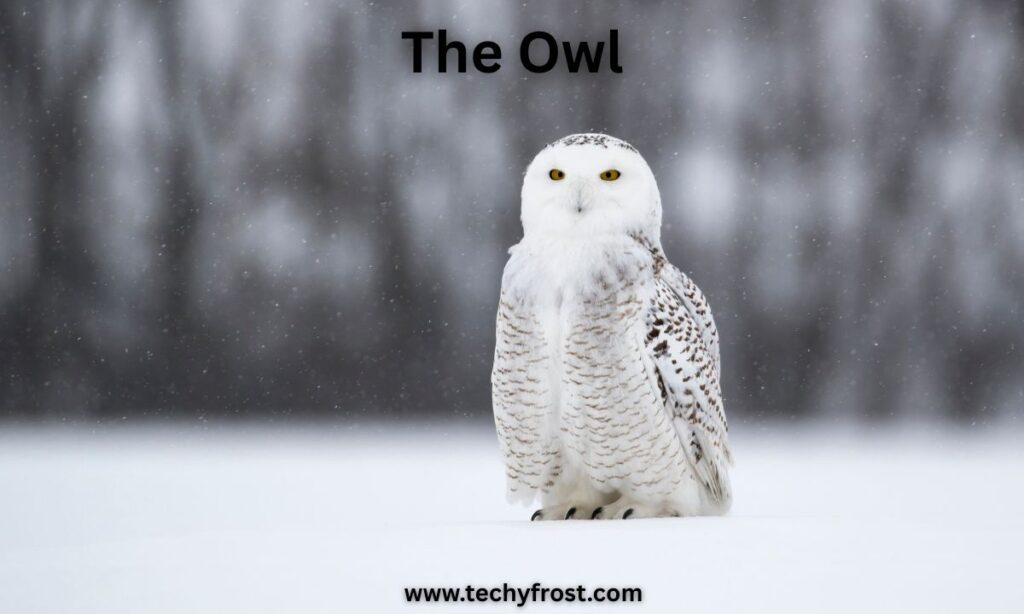
In Greek mythology, the owl was the sacred companion of Athena and symbolized wisdom, foresight, and the ability to see what others cannot. Because owls see in darkness, they became symbols of navigating life’s unknown territory and finding clarity even in confusion. The owl represents the deep inner life — the part of us that perceives meaning beneath the surface of ordinary events.
Eternal Life Symbols Across World Cultures
Celtic Culture — The Triskelion and Celtic Knot
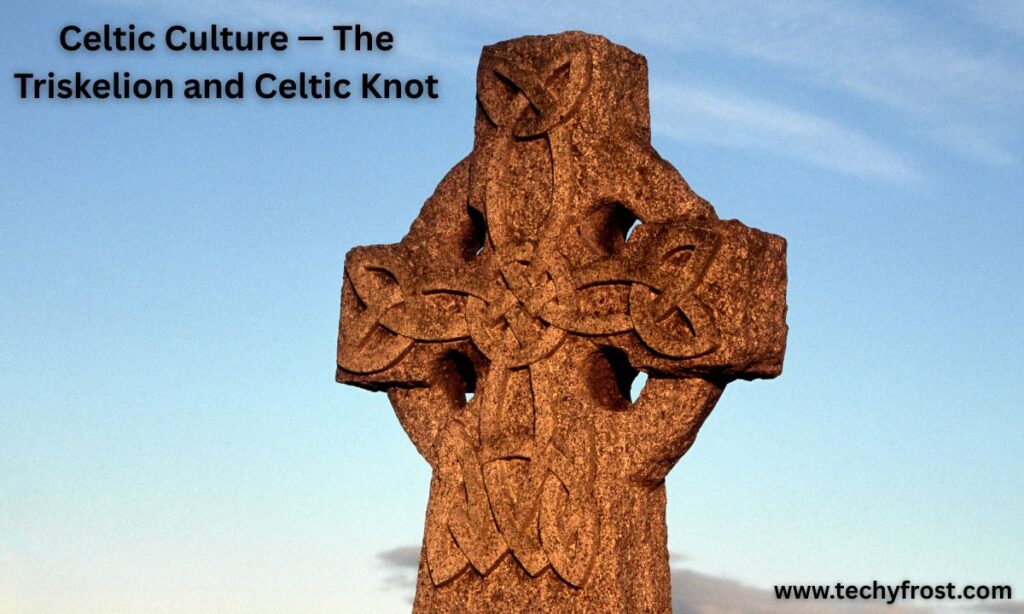
The triple spiral, or Triskelion, is one of the oldest Celtic symbols. Found on the megalithic tomb at Newgrange, Ireland, which dates to around 3200 BCE, it predates the Egyptian pyramids. It represents the three stages of life — youth, adulthood, and old age — as well as land, sea, and sky. The Celts saw life as continuous, circular motion, and this symbol embodies that belief perfectly.
Celtic knots, with their endless interwoven lines and no visible beginning or end, are perhaps the most recognizable symbols of eternal life from this tradition. They express the idea that life, love, and the soul are unbreakable and without end.
Eastern Cultures — Yin-Yang and the Lotus
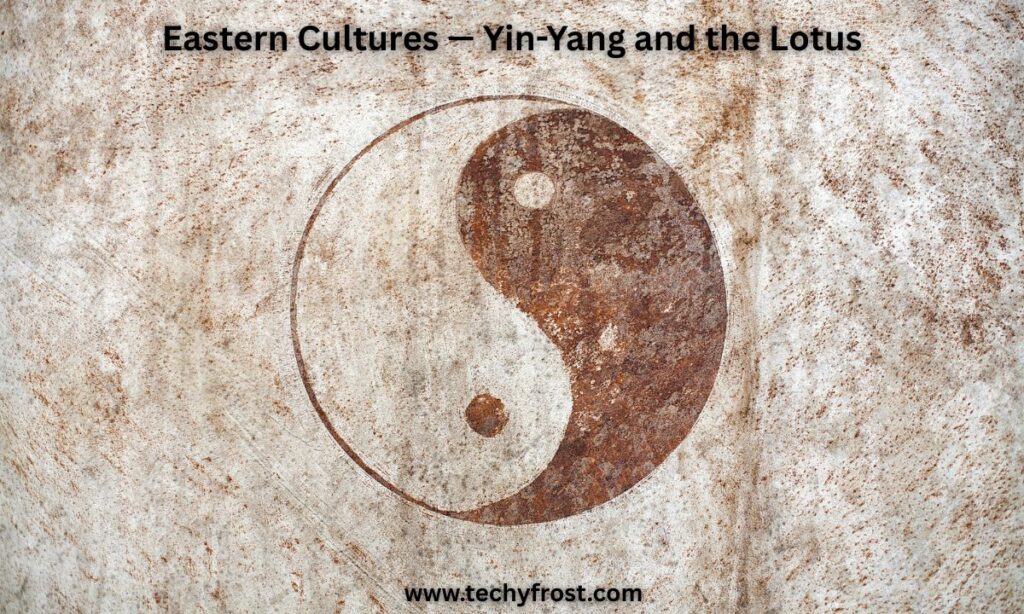
The yin and yang symbol represents the concept that everything in the universe is interconnected and interdependent, and that nothing exists in isolation. Life and death, light and darkness, masculine and feminine — each contains the seed of the other. This is perhaps the most philosophically complete life symbol in existence: it acknowledges that existence itself is a dance between opposites.
In Hinduism, the Om (ॐ) symbol represents the primordial sound of the universe — the vibration from which all life emerged. Meditating on Om is said to align the individual consciousness with the cosmic life force.
Native American Culture — The Medicine Wheel and Tapuat
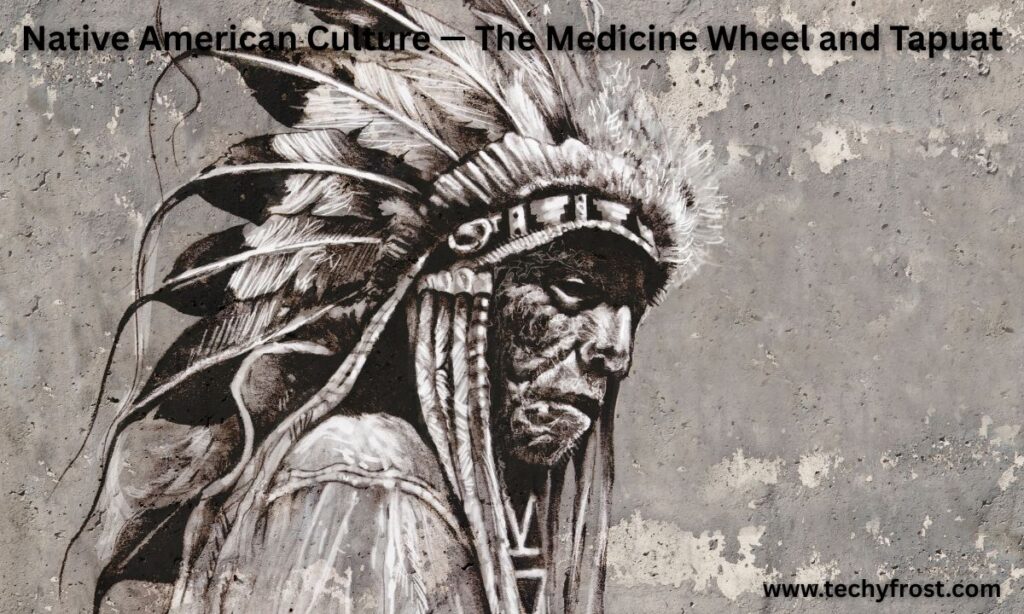
The tapuat is a vital Native American symbol, which is somewhat similar to the Man in the Maze symbol. The tapuat symbolizes the labyrinth of life, and the various challenges and obstacles a person has to overcome to grow or evolve spiritually. Aside from that, the tapuat is also known as a symbol of Mother Earth.
The Medicine Wheel, used by many Plains tribes, divides existence into four quadrants — the four seasons, four directions, four stages of life. It is a complete map of existence, showing that life is circular, balanced, and interconnected with nature.
Symbols That Have Deep Meaning: 86+ Powerful Life Symbols Listed
Category 1: Universal Nature Symbols
- Sun — Life force, energy, consciousness
- Moon — Cycles, intuition, feminine energy
- Water — Renewal, cleansing, emotional depth
- Fire — Transformation, passion, purification
- Earth — Grounding, abundance, the body
- Mountain — Strength, challenges, perspective
- River — Change, the flow of time, journeys
- Seed — Potential, new beginnings, hidden power
- Rain — Blessing, fertility, renewal
- Wind — Freedom, the invisible life force, spirit
Category 2: Animal Life Symbols
- Butterfly — Transformation, freedom, rebirth
- Phoenix — Immortality, rising from destruction
- Eagle — Vision, freedom, higher perspective
- Snake/Serpent — Renewal, shedding the old self
- Dragonfly — Adaptability, light, self-realization
- Stork — New life, birth, motherhood
- Crane — Longevity, fidelity, good fortune
- Bee — Community, purposeful work, productivity
- Deer — Gentleness, grace, regeneration
- Hummingbird — Joy, resilience, presence
Category 3: Sacred Geometric Symbols
- Circle — Wholeness, eternity, the cycle of life
- Spiral — Growth, evolution, cosmic energy
- Triangle (pointing up) — Ascension, fire, masculinity
- Triangle (pointing down) — Receptivity, water, femininity
- Vesica Piscis — The union of opposites, creation
- Mandala — The cosmos, wholeness, divine order
- Metatron’s Cube — The building blocks of all life
- Sri Yantra — Spiritual abundance, the divine feminine
- Seed of Life — The seven days of creation
- Flower of Life — Sacred interconnection of all things
Category 4: Ancient Cultural Symbols
- Ankh — Eternal life (Egypt)
- Eye of Horus — Protection and healing (Egypt)
- Scarab Beetle — Rebirth and transformation (Egypt)
- Djed Pillar — Stability and regeneration (Egypt)
- Ouroboros — The eternal cycle, self-renewal
- Yin-Yang — Balance and duality (Taoism)
- Om (ॐ) — The primordial sound of life (Hinduism)
- Tree of Life — Universal growth and connection
- Triskelion — The triple motion of life (Celtic)
- Celtic Knot — Eternal, unbreakable existence (Celtic)
- Hamsa Hand — Protection, the eye of God
- Greek Key (Meander) — Eternal flow, infinity (Greece)
- Caduceus — Healing, balance, life energy (Greek/Roman)
- Cornucopia — Abundance and the gifts of life
- Olive Branch — Peace and new life (Greece)
- Laurel Wreath — Achievement, honor, vitality
- Valknut — Life, death, and transition (Norse)
- Yggdrasil — The cosmic world tree (Norse)
- Runes (Algiz, Tiwaz) — Protection, life force (Nordic)
- Medicine Wheel — The balanced circle of life (Native American)
Category 5: Floral and Plant Symbols
- Lotus Flower — Purity, enlightenment, rebirth
- Rose — Love, beauty, the fullness of life
- Sunflower — Loyalty, vitality, following the light
- Cherry Blossom — The beauty and brevity of life
- Ivy — Eternal friendship, fidelity, endurance
- Oak Tree — Strength, endurance, wisdom
- Bamboo — Resilience, flexibility, rapid growth
- Mistletoe — Fertility, healing, sacred life force
- Fern — New life, sincerity, humility
- Clover — Luck, faith, hope, and love
Category 6: Spiritual and Religious Symbols
- Cross — Salvation, eternal life (Christianity)
- Ichthys (Fish) — Faith, eternal life (Christianity)
- Star of David — Divine protection, the six directions of life
- Crescent Moon and Star — Guidance, divine light (Islam)
- Dharma Wheel — The path of life (Buddhism)
- Endless Knot — Intertwining of fate and life (Buddhism)
- Feather — Truth, lightness, connection to spirit (many cultures)
- Candle — Life, hope, the light of the soul
- Lamp/Lantern — Guidance through life’s darkness
- Dove — Peace, new beginnings, the Holy Spirit
Category 7: Cosmic and Elemental Symbols
- Star — Guidance, divine light, aspiration
- Comet — Change, new beginnings, transformation
- Rainbow — Hope, covenant, the bridge between worlds
- Lightning Bolt — Awakening, sudden life-changing power
- Cloud — Transition, the space between states of being
- Volcano — Creative destruction, life arising from chaos
- Crystal — Clarity, purification, spiritual life force
- Ocean — The unconscious, the infinite source of life
- Dawn — New beginnings, the eternal return of light
- Horizon — Possibility, the endless journey of life
Category 8: Objects That Represent Life
- Hourglass — The passage of time, life’s finite beauty
- Clock — The value of time, life’s measured journey
- Key — Access, opportunity, unlocking life’s potential
- Chalice/Cup — Abundance, the vessel of life
- Mirror — Self-reflection, the examined life
- Bridge — Transition, crossing between life’s stages
- Compass — Direction, purpose, navigating life’s path
- Lantern — Inner light, guidance through life’s darkness
The Flower of Life Symbols: A Deeper Look
The Flower of Life is not just one symbol — it is a family of interconnected sacred geometry symbols, each with its own life meaning:
| Symbol | Circles | Meaning |
| Seed of Life | 7 | The seven days of creation; the seed of all existence |
| Egg of Life | 13 | Health, stability, fertility; the embryonic stage of life |
| Flower of Life | 19 | The full blueprint of life and universal interconnection |
| Fruit of Life | 13 (selected) | The foundation of all physical matter |
| Metatron’s Cube | Derived | The building blocks of all life in three dimensions |
| Tree of Life (Sefirot) | Derived | The ten divine channels through which life flows (Kabbalah) |
Life Symbols Across Cultures: A Comparative Overview
Ancient Egypt
Egyptian civilization built an entire cosmology around life symbols. The Ankh, along with other symbols such as the scarab beetle and the lotus flower, served as reminders of the everlasting nature of life and the enduring hope for rebirth and continuity, both in this world and the afterlife.
Celtic Culture
The Celts saw life as an unbroken circle. Their art is filled with interlocking knots, spirals, and triskelia — all expressing the belief that existence has no true beginning and no true end. The World Tree, called Crann Bethadh, united the underworld, the mortal world, and the heavens.
Eastern Cultures
Buddhism offers the Lotus, the Dharma Wheel, and the Endless Knot. Hinduism contributes the Om, the Sri Yantra, and the lotus of the chakra system. Taoism gives us the Yin-Yang and the concept of Wu Wei — life flowing naturally, like water.
Greek Mythology
The maze represents a person’s life, which is filled with both negative and positive paths. Also, the labyrinth may symbolize the various changes or twists and turns a person will go throughout their life. Greek life symbols tended toward the philosophical — they did not just celebrate life but asked hard questions about what a life well-lived truly looks like.
Native American Culture
For many Native traditions, every element of the natural world is alive and carries spiritual significance. Animals, plants, directions, and seasons are all understood as living symbols — teachers that show human beings how to live in harmony with the great web of existence.
Life Symbols in Art, Movies, and Pop Culture
Movies
- The Lion King — The Circle of Life, the sunrise over the savanna, and Simba’s journey all draw on ancient life symbol traditions
- Interstellar — The wormhole and the tesseract reference infinity and the non-linear nature of existence
- Moana — The ocean, the spiral motif in Polynesian tattoos, and the heart of Te Fiti all reference life symbolism
- Doctor Strange — The Flower of Life, Metatron’s Cube, and sacred geometry appear directly in visual sequences
Paintings
- Leonardo da Vinci’s Vitruvian Man was directly informed by the Flower of Life — the circle and square representing the spiritual and physical dimensions of human existence
- Gustav Klimt’s The Tree of Life remains one of the most celebrated visual representations of the Tree of Life symbol in Western art
- Ancient Egyptian tomb paintings used Ankh, Scarab, and Eye of Horus symbols as a complete language for guiding souls through the afterlife
Tattoos
Tree of Life tattoos represent connection between earthly existence and spiritual realms, chosen by 28% of people seeking spiritual tattoos. Infinity symbols combined with hearts represent eternal love beyond death, popular among couples and those honoring deceased loved ones.
The most popular life symbol tattoos include:
- Lotus — spiritual awakening and rising above adversity
- Unalome — the Buddhist path to enlightenment
- Ankh — eternal life and connection to ancient wisdom
- Phoenix — survival and rebirth after personal hardship
- Semicolon — the choice to continue one’s life story
- Tree of Life — family, roots, and eternal connection
- Ouroboros — the eternal cycle and self-contained wholeness
Fashion and Jewelry
The Celtic Flower of Life is a popular motif in contemporary jewelry design, particularly in pendants, rings, and earrings. It also serves as a meaningful tattoo design for those seeking to embody its spiritual message of unity, growth, and eternal life.
Spiritual and Dream Meaning of Life Symbols
When life symbols appear in dreams or meditation, many spiritual traditions believe they carry messages from the unconscious or the divine. Here is a brief guide:
| Symbol in Dream | Possible Meaning |
| Tree of Life | Personal growth, the need to reconnect with your roots |
| Lotus Flower | Emerging from a difficult period; spiritual awakening |
| Phoenix | Recovery from trauma; radical transformation ahead |
| Butterfly | A life transition is complete or beginning |
| Spiral | You are progressing through a growth cycle |
| Sun | Renewed energy, clarity, or divine guidance |
| Water | Emotional purification, healing, a time of renewal |
| Eye of Horus | Protection, someone or something watching over you |
| Infinity Symbol | An eternal bond; something in your life is without end |
| Egg | New potential ready to hatch; something is gestating |
Real Life Symbols of Rebellion and Change
Some life symbols carry a rebellious energy — they represent not just existence, but the refusal to be suppressed.
- Raised Fist — solidarity, the will to live freely and equally
- Peace Sign — rejection of violence; choosing life over war
- Semicolon Project — mental health awareness; the story isn’t over
- Lotus in Darkness — thriving in oppressive conditions
- Phoenix — used by marginalized communities to symbolize survival and rebirth after systemic destruction
- Rainbow Flag — the full spectrum of life, identity, and human dignity
Deep Symbolic Meanings of Life Symbols
Spiritual Meaning
At the spiritual level, life symbols connect individual human beings to something larger — the divine, the cosmos, the eternal. They serve as bridges between the seen and unseen worlds. The tree must live in you and that is why you must concentrate on it. Then it can inspire you and connect you to the eternal wisdom. If all the initiatory traditions have spoken of the tree and associated it with life and universal knowledge, it is because when man is in a perfect connection with the great Whole, his etheric body or body of life has the shape of a tree.
Psychological Meaning
Carl Jung called certain symbols “archetypes” — universal patterns that arise from the collective unconscious shared by all humans. The spiral, the circle, the tree, the sun — these appear in the dreams and myths of people across cultures because they map something deep and true about the structure of the human mind. In psychology, the Ouroboros has been adopted by Carl Jung and other analysts as a symbol of the process of individuation, the integration of the conscious and unconscious aspects of the self to achieve wholeness and balance.
Cultural Meaning
Culturally, life symbols connect people to their heritage and ancestors. They carry stories passed down through generations. A simple symbol can represent thousands of years of wisdom, belief, and identity. When people wear or use life symbols, they feel connected to something greater than themselves.
Positive and Negative Meanings of Life Symbols
Life symbols, like life itself, are rarely simple.
Positive Meanings
- Tree of Life — growth, family, eternal connection
- Lotus — triumph over adversity, spiritual purity
- Phoenix — resilience, transformation, new beginnings
- Circle — wholeness, unity, endless possibility
- Sunrise — hope, fresh starts, light returning to darkness
Negative or Shadow Meanings
- Phoenix — also symbolizes destruction before rebirth; not all transformation is painless
- Ouroboros — can represent being trapped in cycles, unable to break free
- Hourglass — the frightening finitude of life; time running out
- Wilting Flower — the inevitability of decline and loss
- Labyrinth — feeling lost or trapped in life’s complexities
This duality is actually what gives life symbols their power. They do not pretend life is simple. They hold the full truth.
Why Humans Are Attracted to Life Symbols
These symbols help us understand the cycles we rely on to survive and give us a way to grapple with mortality. They also connect us despite language, geographic, or even time barriers. We don’t need to understand the Celtic language to grasp the powerful symbolism of a massive tree with roots connected to the world.
Here are the core reasons life symbols hold such magnetic power over the human psyche:
- They simplify complexity — A single image can hold what thousands of words cannot fully express
- They create community — Shared symbols bind people across time and culture
- They externalize inner experience — Symbols give shape to invisible feelings and beliefs
- They trigger the subconscious — Sacred geometric patterns, in particular, appear to affect brain activity directly
- They provide comfort — Wearing or meditating on life symbols can reduce anxiety and increase sense of meaning
- They connect us to ancestors — Using an ancient symbol is a form of conversation across time
- They remind us what matters — In a world of noise, a symbol cuts through and returns us to what is essential
FAQs About Life Symbols
What is the most universal symbol of life? The Tree of Life is the single most universal symbol of life, appearing independently across virtually every major culture and religion in human history.
What symbol represents eternal life? The Ankh from ancient Egypt is the oldest and most recognized symbol of eternal life. The infinity symbol (∞) is its modern equivalent.
What does the Lotus symbolize in life? The Lotus symbolizes purity, spiritual awakening, and the ability to rise and bloom no matter how difficult one’s circumstances — rebirth above all.
What is the Greek symbol for life? Ancient Greeks used the Olive Branch, the Laurel Wreath, and the Caduceus as primary life symbols, each representing different aspects of living well.
What do spirals symbolize? Spirals symbolize growth, evolution, and the expanding journey of the soul. They appear in nature everywhere, from galaxies to seashells, representing the universal pattern of life unfolding.
What is the Flower of Life symbol? The Flower of Life is a sacred geometry pattern made of 19 overlapping circles, representing the interconnection of all living things and the divine blueprint of creation.
What animal symbolizes life? The Phoenix is the most powerful animal symbol of life, representing immortality and rebirth. The Butterfly, Crane, and Eagle are also strong life symbols across many traditions.
What does the Ouroboros mean? The Ouroboros — a serpent eating its own tail — symbolizes the eternal cycle of life, death, and rebirth, and the self-renewing nature of existence.
What are casket corner life symbols? Life symbols on casket corners — such as the Tree of Life, Lotus, or Dove — are chosen to honor the deceased and express belief in the continuation of life beyond death.
What symbolizes new life? Eggs, butterflies, sunrises, spring flowers, and the Phoenix are the most common symbols of new life and fresh beginnings across cultures.
Conclusion
Life symbols are among the most powerful tools human beings have ever created. They distill thousands of years of wisdom, grief, joy, spiritual searching, and cultural identity into a single image — and that image has the ability to reach across time and speak directly to the human heart.
From the Ankh held by Egyptian gods to the Flower of Life carved in ancient temples, from the Phoenix of Greek mythology to the Medicine Wheel of Native America, these symbols remind us of something we often forget in the noise of daily life: that existence is sacred, cyclical, and deeply interconnected.
Whether you choose to wear a symbol as jewelry, contemplate it in meditation, incorporate it into your art, or simply understand it intellectually, you are participating in a tradition as old as human consciousness itself. You are adding your voice to a conversation that began tens of thousands of years ago and will continue long after we are gone.
Life is the greatest mystery. Life symbols are humanity’s most beautiful attempt to honor it.

