
Some symbols are so powerful that you recognize them before you even read a word. A red “S” on a chest. A black bat against a yellow oval. A spider web stretched across a blue suit. These are not just logos — they are emotional triggers, cultural landmarks, and storytelling tools compressed into a single image.
Superhero symbols have shaped the way an entire generation understands courage, justice, sacrifice, and identity. From ancient mythological roots to billion-dollar blockbuster franchises, these emblems carry meaning far deeper than most people realize. Whether you are a comic book collector, a designer, a psychology enthusiast, or simply someone who grew up watching heroes on screen, this guide will take you inside the hidden world of superhero symbols — what they mean, where they come from, and why they refuse to be forgotten.
What Are Superhero Symbols?
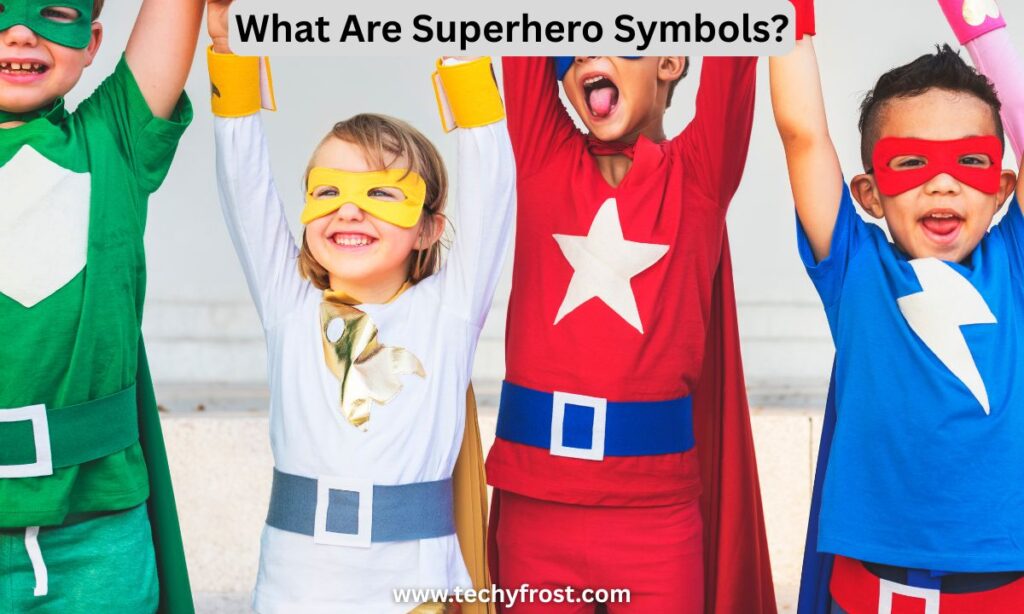
A superhero symbol is a distinctive visual emblem that represents a hero’s identity, values, and story. It typically appears on a costume — chest, shield, cape, or belt — and serves as an instant visual shorthand for everything that character stands for.
These symbols work on multiple levels at once:
- They act as brand identities within fictional universes, warning villains and reassuring civilians
- They function as storytelling devices, communicating character traits without dialogue
- They become cultural icons that transcend their original media and appear on clothing, tattoos, murals, and merchandise worldwide
What separates great superhero symbols from ordinary logos is emotional resonance. Batman’s bat does not just say “I am Batman.” It says: fear me, I am the darkness that hunts criminals in the night. Superman’s “S” shield does not just mean Superman. It signals hope, invincibility, and the promise that good always wins.
Deep Symbolic Meaning of Superhero Symbols
Spiritual Meaning
Across spiritual traditions, symbols have always been gateways to deeper truths. Superhero emblems tap into this same ancient power. The “S” shield of Superman mirrors the spiritual archetype of the savior — a being from beyond who descends to protect the vulnerable. Captain America’s circular shield echoes the mandala, a symbol of wholeness and divine order found in both Hindu and Buddhist traditions.
Thor’s hammer, Mjolnir, carries explicit spiritual weight. Rooted in Norse mythology, it represents divine authority, the protection of sacred spaces, and the channeling of cosmic power. When Marvel adapted this symbol for modern audiences, they preserved its sacred DNA intact.
On a deeper level, many superhero symbols function as modern-day sacred seals — images that believers (fans) wear, display, and meditate upon as expressions of their own values and aspirations.
Psychological Meaning
Carl Jung identified the “hero” as one of humanity’s most universal archetypes, emerging from the collective unconscious across every culture and era. Superhero symbols are visual representations of that archetype. When you see the bat symbol projected across Gotham’s sky, your brain does not just recognize a fictional character — it connects to the deep psychological pattern of the hero-protector.
Research suggests that humans as young as six months old respond to the power dynamics of heroic acts. As we grow older and develop personal codes of morality and justice, superhero symbols become mirrors that reflect our own inner ideals. We wear them on T-shirts and tattoos not because we are fans of fiction, but because those symbols speak to who we want to be.
The act of donning a superhero costume — even symbolically, by wearing a symbol — psychologically activates what researchers call “enclothed cognition.” The symbol changes how you think and feel about yourself, even briefly.
Cultural Meaning
Superhero symbols do not exist in a vacuum. They absorb and reflect the cultural anxieties, values, and aspirations of the era that produced them. Captain America’s star-and-stripes shield, created in 1941, was a direct response to World War II — a symbolic declaration that patriotism and courage could defeat fascism.
In contrast, the X-Men’s circular emblem carries the weight of the civil rights era. Professor Xavier’s school crest became a symbol of mutant pride, directly paralleling real-world struggles for equality and acceptance. Black Panther’s vibranium-embedded panther insignia celebrates African sovereignty and technological excellence in a way that resonated globally across generations.
Types and Variations of Superhero Symbols
Shield Symbols
Visual Description
Shield symbols typically feature circular or kite-shaped designs, often layered with concentric rings, stars, or bold color contrasts. Captain America’s iconic shield uses red, white, and blue concentric circles with a central five-pointed star.
Meaning
Shields represent protection, defense, and the willingness to absorb punishment for others. They signal that the hero stands between the innocent and the threat. A shield symbol also implies boundaries — the hero defines what they will and will not allow.
Where It Appears
Shield symbols dominate DC and Marvel universes. Captain America, Wonder Woman (her bracers function as shields), and Vibranium-based armors all carry shield symbolism. Beyond comics, this symbol appears in military insignia, law enforcement badges, and national coat-of-arms designs worldwide.
Animal-Inspired Symbols
Visual Description
These symbols feature stylized silhouettes or abstract representations of animals — bats, spiders, panthers, eagles, hawks, and serpents. Batman’s bat is a sharp, angular black silhouette. Spider-Man’s web design mimics a spider’s geometry. Black Panther’s emblem traces the sleek form of a panther in mid-stride.
Meaning
Animal symbols are among the oldest human symbolic systems. They channel the instinctive qualities of the creature: a bat means fear and mystery; a spider suggests patience, hidden creativity, and the ability to trap; a panther communicates stealth, power, and primal authority. These symbols work because humans have been reading animal symbolism for tens of thousands of years.
Where It Appears
Animal-inspired superhero symbols appear throughout Marvel and DC. Beyond comics, this symbol type surfaces in tribal art, military unit patches, sports team logos, and spiritual totems across cultures.
Lightning Symbols
Visual Description
Lightning symbols use sharp, angular zigzag forms — bold and sudden, like the phenomenon they represent. The Flash’s golden lightning bolt against a red field is the most iconic example. Shazam’s thunder-and-lightning emblem uses similar energy. Black lightning bolts appear in anti-hero and darker character emblems.
Meaning
Lightning represents speed, raw power, divine intervention, and unstoppable momentum. Across nearly every ancient culture — Norse, Greek, Hindu, Aztec — lightning was the weapon of the supreme deity. When The Flash wears a lightning bolt, he inherits ten thousand years of “fastest, most powerful force” symbolism instantly.
Where It Appears
Lightning symbols appear in superhero comics, sports branding (the Los Angeles Chargers, Tampa Bay Lightning), military insignia, and rock music iconography. They are one of the most universally recognizable power symbols in human visual culture.
Mask Symbols
Visual Description
Mask symbols reference hidden identities — half-masks, eye masks, full helmets, or shadowed faces. Green Arrow’s domino mask, Spider-Man’s full face cover, and Batman’s cowl are all variations. Some heroes use the mask’s silhouette itself as their emblem.
Meaning
The mask is one of humanity’s oldest ritual objects. In shamanic traditions, masks allowed the wearer to embody a different spirit. In Greek theater, masks divided comedy from tragedy. For superheroes, mask symbols represent duality — the hero exists in two worlds simultaneously and sacrifices ordinary life for the protection of others. The inner conflict embedded in a mask symbol is what gives characters like Batman and Spider-Man their psychological complexity.
Where It Appears
Mask symbols appear across theater, carnival culture, ceremonial traditions, Halloween iconography, and protest movements (the Guy Fawkes mask of Anonymous). In superhero culture, they are shorthand for secret identity and personal sacrifice.
Cosmic Symbols
Visual Description
Cosmic symbols feature stars, galaxies, glowing energy rings, geometric patterns, or abstract representations of space and infinity. Green Lantern’s power ring and glowing lantern emblem, the cosmic sigil of Doctor Strange, and the star fields embedded in Captain Marvel’s uniform all qualify.
Meaning
Cosmic symbols suggest power that transcends the human scale. They connect the hero to forces larger than any single planet, city, or conflict. They signal that the character operates at a level where the stakes are universal — not personal. Cosmic symbols often carry spiritual undertones, suggesting that the hero channels something divine or eternal.
Where It Appears
Cosmic symbols dominate the intergalactic corners of Marvel and DC. They also appear in sacred geometry traditions, mandala art, astrology, and new-age spiritual iconography.
Superhero Symbols Across Cultures
Ancient Egyptian Culture
The Eye of Horus — a stylized human eye with a teardrop marking beneath it — was ancient Egypt’s most powerful protective symbol. It represented divine protection, royal power, and the ability to see evil and repel it. Modern superhero design pulls directly from this tradition. Eye-shaped emblems, circular “all-seeing” designs, and gold-on-black color schemes all echo Egyptian sacred iconography.
Greek and Roman Culture
The eagle of Zeus, Poseidon’s trident, Hermes’ winged sandals — Greek and Roman mythology gave the modern world a complete vocabulary of power symbols. Thor, Wonder Woman, and Aquaman are essentially Greco-Roman gods in modern costumes. Their symbols carry the same cultural weight that Olympian iconography carried for ancient audiences: divine legitimacy and extraordinary capability.
Medieval European Culture
The knight’s heraldic shield is a direct ancestor of the modern superhero emblem. Medieval coat-of-arms designs used animals, colors, geometric patterns, and symbolic objects to communicate a family’s values, allegiances, and power. Batman’s crest, Iron Man’s helmet insignia, and Captain America’s shield all function identically to medieval heraldry — instant recognition, encoded values, visual authority.
Japanese Culture
Japanese superhero iconography (particularly the Super Sentai tradition, which became Power Rangers in the West) uses bold, clean geometric shapes and color-coded identity systems. Japanese tokusatsu heroes feature helmets with animal faces, elemental symbols, and martial arts iconography. This tradition influenced global superhero design significantly and continues to evolve in anime and manga with heroes whose symbols reflect bushido (warrior code), spiritual discipline, and clan honor.
Modern Western Culture
Contemporary superhero symbols have evolved from simple chest emblems into full visual branding systems. Marvel and DC now treat their superhero logos with the same strategic intent as Fortune 500 companies treat their corporate identities. The Superman “S,” the Batman logo, and the Avengers “A” are among the most recognized symbols on earth — comparable in reach to the Nike swoosh or the Apple logo.
Superhero Symbols in Art, Movies and Pop Culture
Movies
The MCU and DCEU turned superhero symbols into cinematic language. A shot of Thor’s hammer lying in a crater says more than five minutes of dialogue. The glowing arc reactor on Tony Stark’s chest is not just a power source — it is a beating heart made visible, a symbol of vulnerability and genius existing simultaneously.
Paintings and Digital Art
Digital artists worldwide have reimagined classic superhero symbols in everything from Art Nouveau style to watercolor abstraction. The Superman “S” has been recreated in thousands of artistic interpretations, each one carrying the original’s emotional resonance into a new aesthetic. Street murals featuring Batman’s bat symbol have appeared in cities from New York to Karachi as symbols of urban hope.
Books and Comics
Within comics, symbols evolve with the character. Superman’s “S” has been redesigned dozens of times across 85+ years of publication, each iteration reflecting the storytelling priorities of its era. The symbol itself becomes a historical document, tracking how the character’s meaning has shifted for each generation of readers.
Tattoos
Superhero symbol tattoos are among the most requested designs globally. People tattoo the Flash’s lightning bolt to represent speed and resilience after illness. They choose Superman’s “S” to mark personal transformation. Batman’s bat appears on survivors of trauma who identify with a hero who rose from the darkest circumstances. These tattoos are not fandom — they are personal mythology.
Fashion
From runway collections to streetwear, superhero symbols have infiltrated high fashion. Louis Vuitton, Versace, and countless streetwear brands have incorporated superhero iconography into their designs. The crossover reflects something significant: these symbols now carry enough cultural weight that luxury brands use them to access their emotional power.
Spiritual and Dream Meaning of Superhero Symbols
When superhero symbols appear in dreams, they typically carry layered meanings rooted in the dreamer’s relationship with power, identity, and protection.
| Symbol in Dream | Possible Meaning |
|---|---|
| Superman’s “S” | A desire for strength, hope, or the need to rescue someone or yourself |
| Batman’s bat | Confronting your own shadow, fear, or hidden power |
| Spider-Man’s web | Feeling caught, or alternatively, sensing your own creative power at work |
| Captain America’s shield | Need for protection, or assuming a protective role in your life |
| The Flash’s lightning | Urgency, transformation, or the feeling that time is running out |
| Green Lantern’s ring | The power of will; what you focus on, you create |
| Thor’s hammer | Divine authority, masculine power, or a call to face a great challenge |
In spiritual traditions that work with archetypes, dreaming of a superhero emblem often signals a period of personal transformation — the dreamer is integrating a new aspect of their own power or identity.
Positive vs Negative Meaning of Superhero Symbols
Positive Meanings
- Hope — Superman’s emblem is canonically a Kryptonian symbol for hope, and that meaning resonates universally
- Protection — Shield symbols assure communities that a defender is present
- Resilience — Many hero symbols (particularly Batman’s) represent rising from trauma and loss
- Justice — The scales implied by many hero emblems suggest fairness and accountability
- Inspiration — These symbols actively motivate people; research confirms that superhero imagery improves perseverance and courage in children and adults alike
- Unity — Team emblems like the Avengers “A” and the X-Men crest signify solidarity and collective strength
Negative Meanings
- Vigilantism — Some symbols represent justice operating outside legal systems, which raises questions about accountability and authority
- Moral absolutism — Hero symbols sometimes imply a black-and-white view of good and evil that ignores complexity
- Cultural imperialism — Historically, American superhero symbols have sometimes carried an implicit Western-centric worldview that marginalized other cultural traditions
- Unhealthy idealization — When people identify too strongly with a superhero symbol, it can fuel perfectionism, impossible self-standards, or emotional disconnection
- Commercialization — The conversion of these powerful symbols into merchandise sometimes strips them of their deeper meaning
Why Humans Are Attracted to Superhero Symbols
The attraction is not accidental. It is biological, psychological, and cultural all at once.
From a biological standpoint, the human brain is a pattern-recognition machine. Simple, bold shapes with high contrast — like the Batman logo or Superman’s “S” — register faster and more memorably than complex images. Superhero symbols are designed, consciously or not, to exploit this neurological shortcut.
From a psychological standpoint, these symbols embody the hero archetype that Carl Jung identified as universal. They externalize our internal desire to be extraordinary, to matter, to make a difference. When you wear a Flash t-shirt, you are not just displaying a character preference — you are aligning yourself with the qualities that character represents.
From a cultural standpoint, superhero symbols fill a gap left by the decline of traditional mythological and religious iconography in secular societies. People need symbols of transcendence, protection, and moral clarity. Where past generations looked to saints’ icons, royal crests, or divine seals, many people today instinctively reach for the emblem of a hero who never gives up.
The reason these symbols endure generation after generation is because they address something permanent in human nature: the deep, aching hope that somewhere out there — or somewhere within ourselves — there exists a force powerful enough and good enough to make the world safe.
Frequently Asked Questions
What is the most famous superhero symbol of all time? Superman’s “S” shield is widely considered the most recognized superhero symbol globally, representing hope and courage across generations.
What does Batman’s bat symbol mean? It represents fear, mystery, and the power of darkness turned toward justice — a predator’s silhouette used to protect rather than harm.
Why do superhero symbols appear on the chest? The chest placement mirrors the location of the heart, symbolically linking the hero’s identity to their core values and courage.
Are superhero symbols copyrighted? Yes. Most iconic superhero symbols are trademarked and owned by DC Comics (Warner Bros.) or Marvel (Disney).
What does Spider-Man’s symbol represent? The spider web pattern represents connection, patience, and the duality of an ordinary person carrying extraordinary responsibility.
Can superhero symbols have spiritual significance? Yes — many are rooted in ancient archetypes, and people report using them in dreams, meditation, and personal ritual as symbols of strength.
Why do people tattoo superhero symbols? Because they use these emblems as personal mythology — markers of identity, survival, transformation, or the values they aspire to live by.
Conclusion
Superhero symbols are not decorations. They are among the most psychologically sophisticated visual communication tools ever created — condensing identity, values, history, and emotional resonance into a single glance. From the ancient Egyptian eye to the Kryptonian “S,” from Thor’s hammer to the Black Panther’s claw, these emblems carry humanity’s oldest conversation about power, justice, and what it means to be a hero.
In 2026, as superhero stories continue to evolve across streaming platforms, graphic novels, video games, and immersive experiences, their symbols grow more meaningful, not less. They adapt, they expand, they carry new generations of meaning — and they remain, stubbornly, unforgettable.
The next time you see a bat silhouetted against a pale moon or a golden lightning bolt crossing a red field, you are not just seeing a logo. You are seeing a ten-thousand-year-old story about what humans dare to hope they can become.

