

Leadership symbols are not just decorative images or ancient relics. They are the visual language of power — a language every civilization on Earth has spoken for thousands of years. From the golden crown of a pharaoh to the eagle on a modern nation’s flag, these symbols carry weight that words alone cannot match.
But here is what most people miss: these symbols still work today. They shape how we see authority, inspire loyalty, trigger emotions, and define what it means to lead. Whether you are a student of history, an aspiring leader, a designer, or simply curious, understanding leadership symbols gives you a powerful lens through which to see the world.
This guide covers 55+ legendary leadership symbols — their meanings, cultural roots, psychological impact, and why they remain relevant to leaders in every field today.
What Are Leadership Symbols?
Leadership symbols are visual, cultural, or object-based representations of authority, influence, and guidance. They signal who holds responsibility within a group, who carries the burden of decision-making, and who is expected to protect or serve others.
These symbols do not always look the same across cultures. A feathered headdress in Native American tradition and a tailored business suit in a corporate boardroom serve the same fundamental purpose: they communicate rank, credibility, and the right to lead.
At their core, leadership symbols do three things:
- Legitimize authority — They give a leader’s power a visible, recognizable form.
- Inspire followers — They trigger emotional responses that motivate loyalty and action.
- Create identity — They connect a leader to something larger than themselves: a culture, a tradition, a value system.
Leadership Symbols and Meanings Across Cultures and History
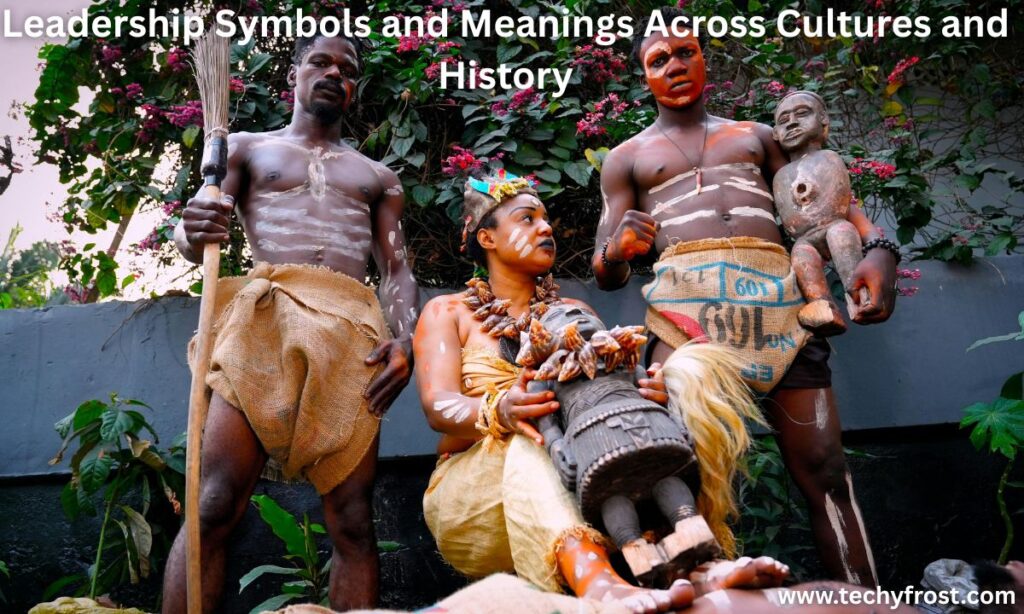
Every major civilization developed its own set of leadership symbols. Yet across all of them, certain themes repeat: strength, wisdom, divine favor, and the responsibility to serve or protect.
| Culture | Key Leadership Symbols | Core Meaning |
| Ancient Egypt | Crook and flail, Double Crown, Ankh | Divine authority, protection, life |
| Ancient Greece | Laurel wreath, Thunderbolt, Owl | Victory, divine power, wisdom |
| Ancient Rome | Eagle, Fasces, Purple toga | Military might, unity, imperial authority |
| Medieval Europe | Crown, Coat of arms, Sword | Sovereignty, lineage, honor |
| China (Imperial) | Dragon, Yellow robe, Jade seal | Imperial power, heaven’s mandate, legitimacy |
| Native American | Eagle feather, Bear claw, Totem | Bravery, spiritual guidance, clan leadership |
| African Cultures | Lion tooth, Leopard skin, Staff | Rank, courage, ancestral authority |
| Modern Society | Flag, Logo, Podium | National identity, organizational vision |
This diversity is what makes studying leadership symbolism so rich. No single symbol owns the concept of leadership, yet certain images — the lion, the crown, the eagle — appear again and again across cultures that had no contact with each other. That convergence is no accident.
Ancient Symbols of Leadership
The Crook and Flail (Ancient Egypt)
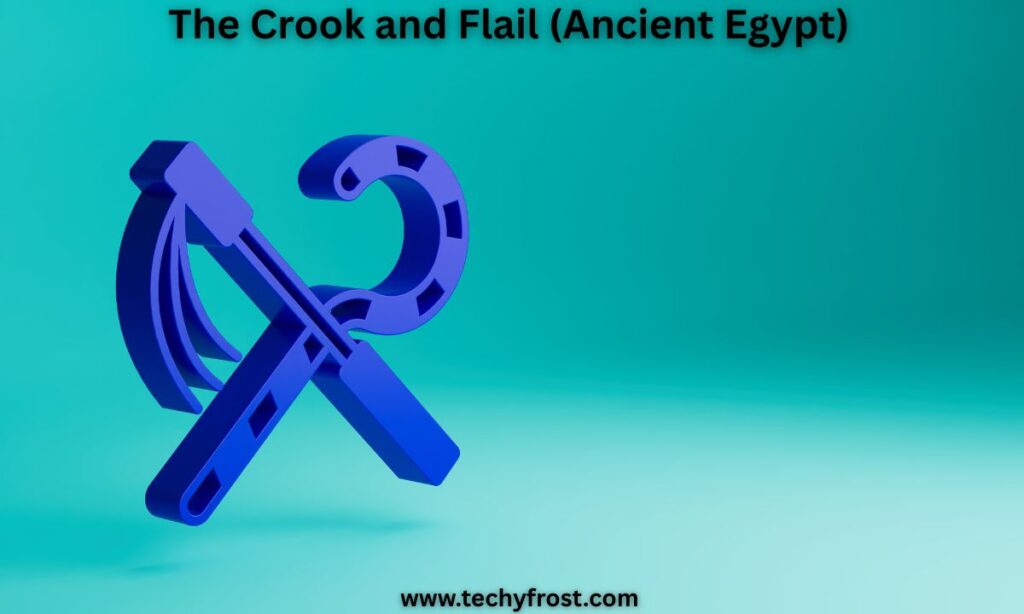
Few leadership symbols are as immediately recognizable as the Egyptian crook and flail. The crook — a long staff with a hooked top — represented the pharaoh’s role as shepherd of the people. The flail symbolized the fertility of the land and the ruler’s ability to provide for the nation.
Together, they declared that the pharaoh both guided and sustained Egyptian civilization. These tools were not just ceremonial props. They encoded an entire political philosophy: that the ideal ruler leads and nourishes simultaneously.
The Pharaonic Scepter
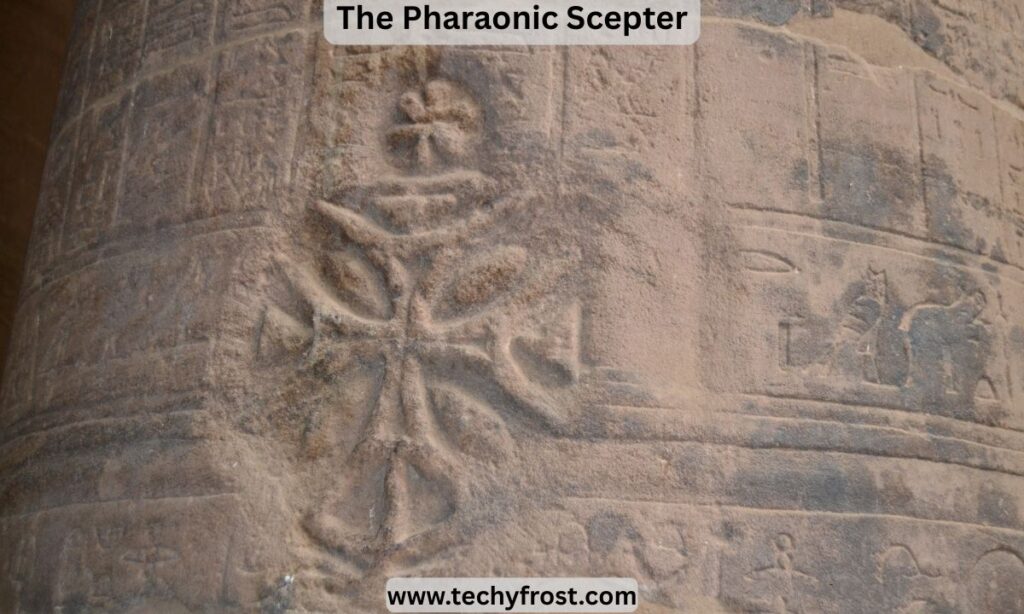
The scepter appeared across the ancient world as a mark of authority. In Egypt, it was often crafted from precious metals and adorned with gemstones. It represented the concentrated power of the gods flowing through the ruler’s hand. The scepter was not something a pharaoh carried casually — it appeared at moments of ceremony, judgment, and proclamation.
Greek mythology echoed this symbolism: Zeus himself carried a scepter as king of the gods, reinforcing the idea that leadership carried divine sanction.
The Ankh
The ankh — that distinctive cross with a loop at the top — is one of the most enduring ancient symbols of leadership and life. It was exclusively associated with deities and pharaohs in early Egyptian art. To hold or receive an ankh was to be connected to divine authority over life itself.
The Laurel Wreath (Ancient Greece and Rome)
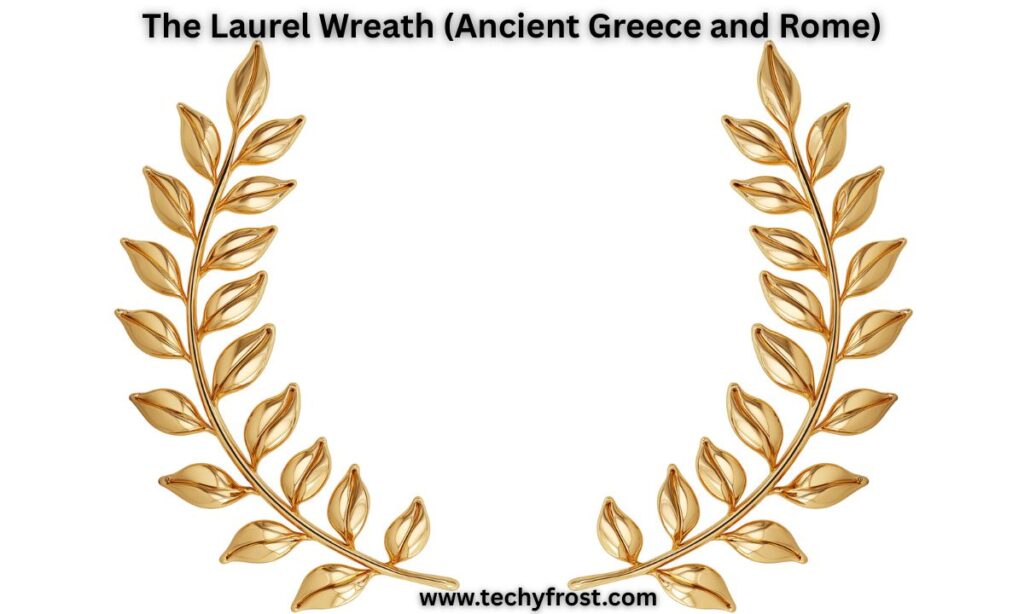
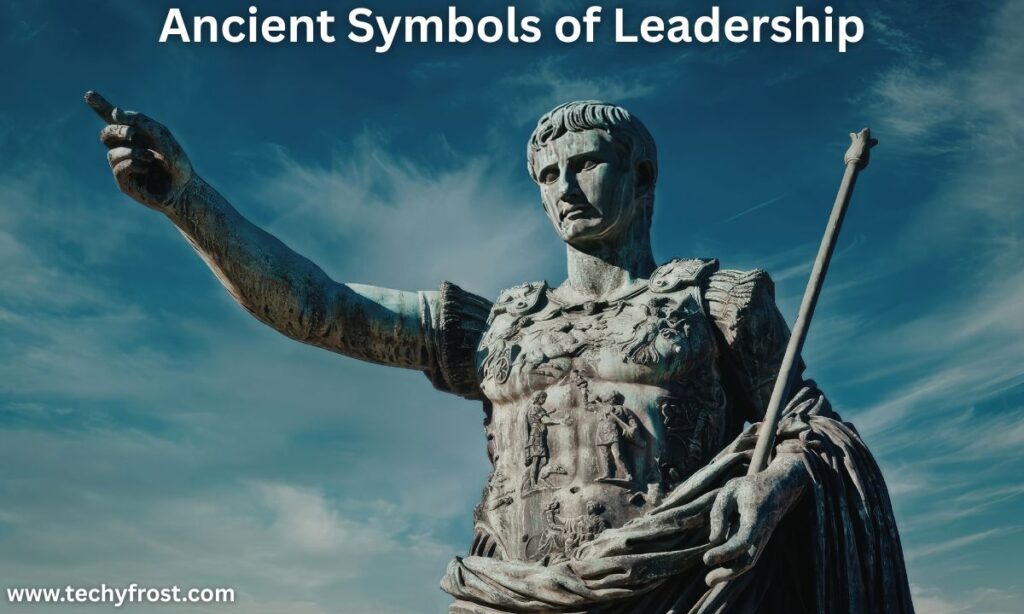
The laurel wreath is one of history’s most elegant leadership symbols. Woven from the branches of the bay laurel tree, it was awarded to victorious athletes, generals, and eventually emperors. Julius Caesar and Augustus Caesar famously wore versions of it — in gold — to signal their supreme status.
Today, the laurel wreath still appears in graduation ceremonies, national seals, and Olympic medals. Its meaning has barely shifted in 2,500 years: it marks those who have distinguished themselves through excellence.
The Roman Eagle (Aquila)
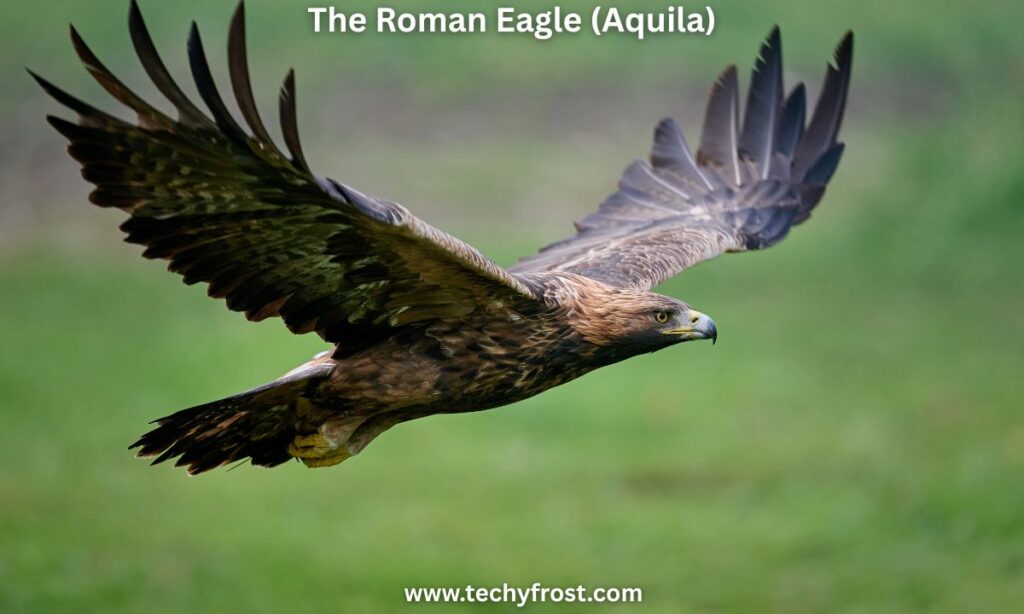
Rome’s eagle standard — the aquila — was not merely a military emblem. It was the soul of the legion. Losing the aquila in battle was a catastrophe. Recovering it was a matter of national honor. The eagle embodied the ideals Roman leadership aspired to: clarity of vision, dominance, courage, and the ability to soar above lesser concerns.
This is why the eagle appears on the seals and flags of so many modern nations, including the United States, Germany, Mexico, and Poland. The symbolism traveled directly from Rome into the modern world.
Symbols of Leadership With Meaning
The Crown
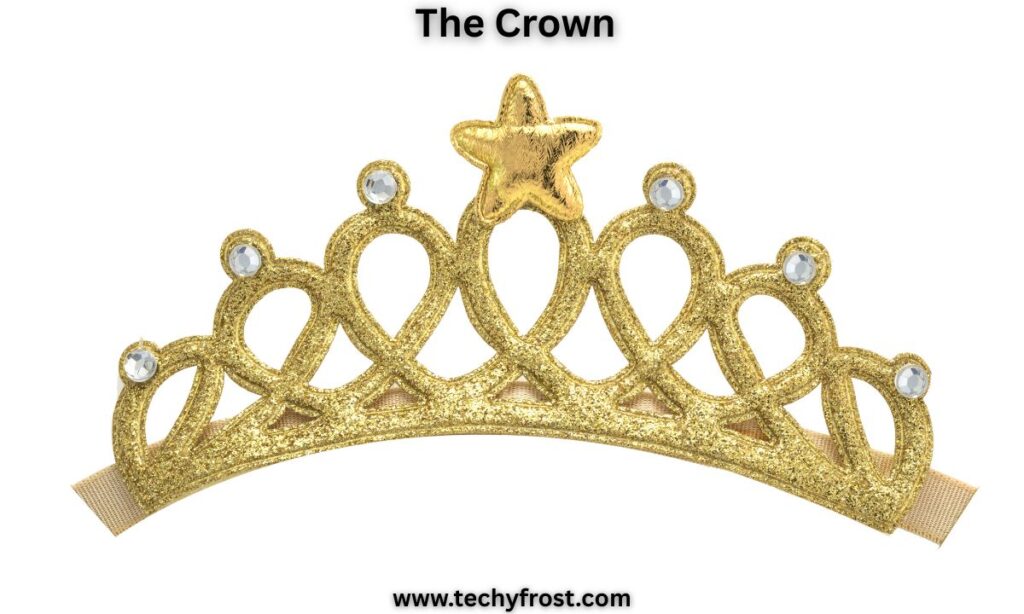
Perhaps no leadership symbol is more universally understood than the crown. Across virtually every culture that developed monarchy, rulers wore some form of headgear to set themselves apart from common people.
The crown communicates several things at once:
- Elevation — It sits above the wearer’s natural height, physically marking them as above others.
- Sacrifice — Its weight symbolizes the burden of leadership.
- Divine selection — Gold and gemstones historically connected rulers to the divine.
In modern branding and design, crown imagery still signals premium quality, authority, and top-tier status. Companies like Rolex use crown logos deliberately.
The Throne
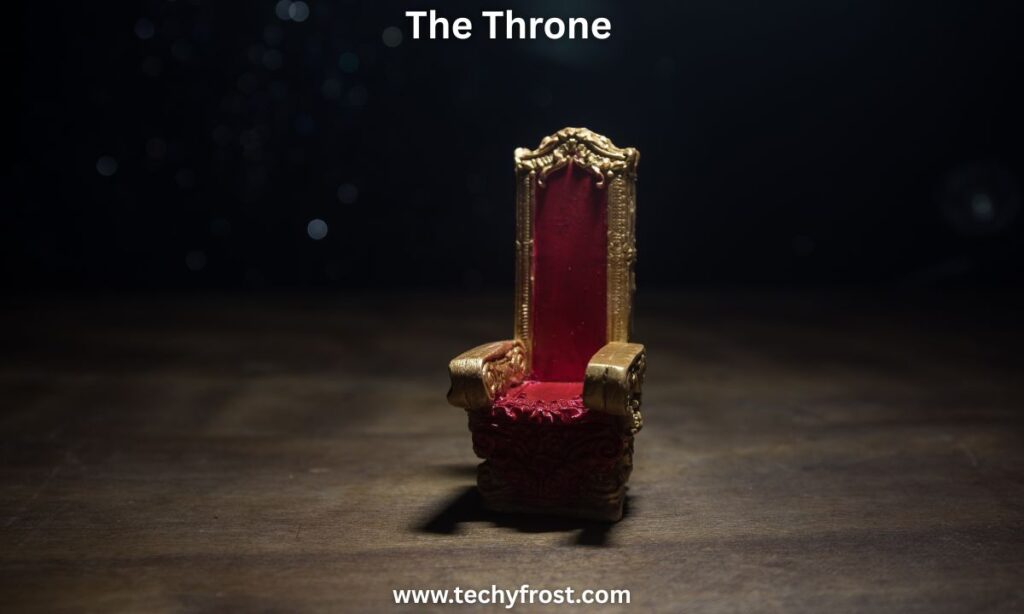
A throne is power made physical. It says: this is the seat of judgment, the place from which decisions flow. The higher, more ornate, and more central the throne, the greater the authority of the person who sits on it.
In modern contexts, the “head of the table” in a boardroom carries the same symbolic weight as the ancient throne. Positioning is everything, and the throne principle — that leadership has a designated place — never really went away.
The Staff and Scepter
The staff is one of the oldest leadership symbols in human history. Long before scepters were gilded and jeweled, tribal leaders and spiritual figures carried plain wooden staffs as emblems of their role.
Figures like Moses — leading his people across the desert — are almost always depicted with a staff. Bishops still carry the crozier, a hooked staff that echoes the Egyptian crook. Mountain climbers carry walking staves. The symbol of the staff as “guide” and “support” is baked into human culture at a deeply intuitive level.
The Sword

The sword stands at the crossroads of leadership symbolism. It represents both protection and judgment — the capacity to defend and the authority to decide who is right or wrong.
Military leadership has always been inseparable from sword symbolism. Knights were knighted by the touch of a sword blade. Samurai carried their katana not merely as weapons but as physical representations of their honor and leadership code. The ceremonial sword remains present at military commissioning ceremonies today.
The Flag
Flags are modern society’s most versatile leadership symbol. They compress entire national identities — histories, values, aspirations — into a piece of colored cloth. A flag does not need to be explained. It is recognized instantly and triggers deep emotional responses.
Military units fight under flags. Nations are represented by flags at every diplomatic gathering. Sports teams carry flags. The act of planting a flag on new territory — on a hilltop, on the Moon — is perhaps the clearest act of leadership symbolism that exists.
Symbols of Leadership in Education

Educational institutions have developed their own rich tradition of leadership symbols. These symbols connect learning to authority and mark those who have achieved distinction.
- The Graduation Cap and Gown — Derived from medieval academic robes, these garments mark the transformation from student to qualified professional. The act of turning the tassel is a miniature coronation ceremony.
- The Torch — Represents the passing of knowledge from one generation to the next. Many universities use torch imagery in their seals. The Olympic torch draws on the same symbolism.
- The Owl — Associated with Athena, Greek goddess of wisdom, the owl remains the most common animal symbol in academic crests and logos worldwide.
- The Book — Open books in academic seals represent the pursuit of truth and the authority that comes from learning.
- The Star — Used in classroom settings to mark excellence. Gold stars on children’s work are direct descendants of ancient symbols of divine favor.
Leadership Symbols Animals
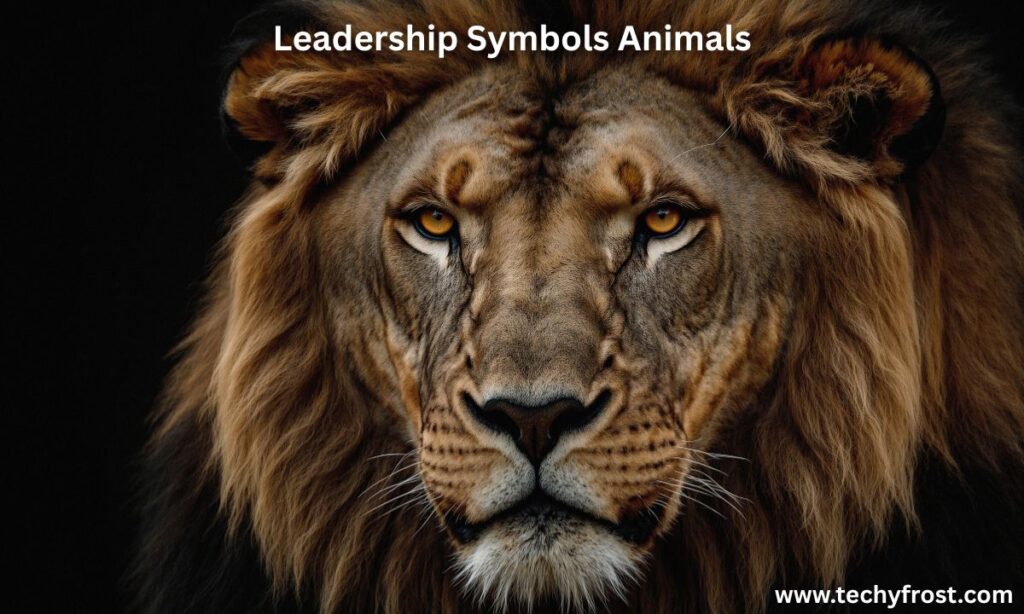
Animals have represented leadership qualities across virtually every human culture. The connection is intuitive: we observe animals’ natural behaviors and map those qualities onto the leaders we admire.
The Lion — King of the Jungle
The lion is the single most widely used animal symbol of leadership on Earth. It appears in the heraldry of more than 50 nations. It dominates African traditional symbolism. It appears on the flags of England, Scotland, Sri Lanka, Morocco, and many others.
Why the lion? Its combination of raw strength, social structure (lions live in prides with clear hierarchies), fearlessness, and physical majesty makes it a natural metaphor for leadership. In African cultures, lion teeth worn by a chief signal rank and earned authority.
The Eagle — Vision and Dominance
The eagle represents the kind of leadership that sees the big picture. Eagles soar above other animals, giving them a perspective unavailable to those on the ground. This is exactly the quality great leaders are expected to have: vision.
The eagle appears in the symbolism of Rome, the United States (on its Great Seal), Germany, Mexico, Egypt, and dozens of other nations. Native American cultures revere the eagle feather as a gift earned only by acts of bravery and leadership.
The Dragon — Imperial Power
In East Asian cultures, particularly Chinese imperial tradition, the dragon was the supreme symbol of leadership. Chinese emperors wore dragon robes and used dragon imagery exclusively — it was forbidden for commoners to use the dragon symbol. The emperor was described as the descendant of the dragon, connecting his leadership to cosmic and divine authority.
In Celtic and Norse mythology, dragons guarded great treasures and secrets — making them symbols of the powerful and formidable, those who protect what matters most.
The Bear — Strength and Protection
Bears appear in the leadership symbolism of Native American nations, Russian national identity, and Germanic heraldry. The bear represents protective leadership — the kind of power that defends its community fiercely. Bear claws worn by leaders in various traditions signified the authority to protect the tribe.
The Wolf — Pack Leadership
The wolf represents collaborative leadership — the understanding that a strong leader is not a lone figure but the head of a coordinated, loyal group. Wolf symbolism appears in Roman mythology (Romulus and Remus, founders of Rome, were raised by a she-wolf), Norse tradition, and Native American spiritual practices.
The Jaguar — Tropical Dominance
Pre-Columbian civilizations throughout Central and South America revered the jaguar as the supreme symbol of power and leadership. Aztec and Maya warrior elites wore jaguar skins and took jaguar names. The jaguar’s nocturnal hunting ability also connected it to leadership in the spiritual realm — the ability to navigate what others cannot see.
Coat of Arms Leadership Symbols
Heraldry — the system of visual symbols used on coats of arms — is one of the most systematic approaches to leadership symbolism ever developed. Beginning in medieval Europe, coats of arms visually encoded a family’s values, history, military achievements, and leadership claims.
Common coat of arms leadership symbols include:
| Symbol | Meaning in Heraldry |
| Lion rampant | Courage and martial strength |
| Eagle displayed | Imperial authority and far-reaching vision |
| Cross | Christian faith and crusading leadership |
| Crown | Royal rank and sovereignty |
| Fleur-de-lis | French royal authority, purity |
| Dragon | Protection of territory, fierce power |
| Oak tree | Endurance, strength, and rootedness |
| Sword | Military honor and justice |
| Stars | Excellence, divine guidance |
Coats of arms were designed to be instantly recognizable on a battlefield — which is why they use bold colors, clear shapes, and decisive symbols. Many modern corporate logos unconsciously follow the same principles.
Objects and Things That Represent Leadership
Beyond animals and regalia, everyday objects have been infused with leadership meaning throughout history.
- The Key — Symbolizes access, trust, and the authority to open or close doors. Leaders hold the keys to opportunity.
- The Scale/Balance — Justice and ethical leadership. Judges and leaders with scales in their imagery signal commitment to fair decision-making.
- The Compass — Navigation and direction. Used widely in organizational branding to suggest strategic guidance.
- The Lighthouse — Servant leadership symbol par excellence. A lighthouse asks nothing — it simply illuminates the way for others.
- The Anchor — Stability and groundedness. Naval leadership traditions carry anchor symbolism heavily.
- The Torch — Passed from leader to leader. “Passing the torch” is one of the most enduring leadership metaphors in any language.
- The Mirror — Self-awareness in leadership. Leaders who see themselves clearly lead others more honestly.
- The Chess King — Strategy, careful thinking, the weight of responsibility. The king in chess is the most important piece but also the most vulnerable — a perfect metaphor for leadership.
- The Mountain — Challenge, aspiration, the long journey upward. Leaders are often described as climbing mountains or standing at summits.
Military Leadership Symbols
Military organizations have developed some of history’s most precise and powerful leadership symbolism. Rank must be immediately visible in situations where confusion costs lives.
Key military leadership symbols include:
- Stars and Stripes on Epaulettes — General officer rank indicated by stars on uniforms worldwide.
- The Eagle — Used in American military ranks (colonel insignia).
- Crossed Swords — Appear in military crests worldwide, representing combat leadership.
- The Laurel — Military medals often incorporate laurel wreaths, connecting modern valor to ancient Rome.
- Chevrons — Non-commissioned officer rank insignia, instantly communicating levels of earned authority.
- The Beret — In many armies, different colored berets signal special-forces or elite leadership units.
- Challenge Coins — Modern military tradition where commanders give personalized coins to troops they wish to honor, becoming a physical token of leadership recognition.
Servant Leadership Symbols
Servant leadership — the philosophy that the greatest leaders prioritize the needs of those they lead — has its own distinct symbolic vocabulary.
- The Open Hand — Generosity, giving, support without dominance.
- The Bridge — Connecting people and crossing divides.
- The Heart — Leading with empathy and emotional intelligence.
- The Watering Can — Nurturing growth in others.
- The Ladder — Lifting others up, not climbing over them.
- The Shepherd’s Crook — Guiding the flock, attending to every member.
These symbols represent a fundamentally different leadership philosophy from crowns and swords. They have grown in prominence as modern leadership thinking has evolved toward collaboration, emotional intelligence, and team empowerment.
Visual and Creative Leadership Symbol Designs
Leadership Symbol Drawing and Tattoo
Leadership symbols appear frequently in personal art and tattoo culture. People choose these symbols to express their own values and aspirations:
- Eagle tattoos represent vision and freedom.
- Lion tattoos symbolize personal courage and protective instincts.
- Crown tattoos can represent self-sovereignty — the idea that one leads their own life.
- Compass tattoos speak to navigation and clear direction in life.
- Mountain tattoos represent the pursuit of ambitious goals.
In fine art, leadership symbols appear in formal portraiture (kings always painted with scepters and crowns), propaganda posters (eagles, flags, heroic figures), and abstract corporate design.
Logo Leadership Symbols
Corporate branding has always drawn deeply from the well of historical leadership symbolism:
- Apple (knowledge, creativity)
- Twitter/X’s bird (vision, reach)
- Prudential’s Rock of Gibraltar (stability, reliability)
- MGM’s lion (power, prestige)
- HSBC’s hexagonal pattern (interconnection, global reach)
Organizations use these symbols because they understand that humans respond to visual authority cues at an instinctive level — the same instinct that made ancient peoples defer to those who wore the crown.
Deep Symbolic Meaning of Leadership Symbols
Spiritual Meaning
In virtually every spiritual tradition, leadership symbols connect the human and divine. Pharaohs claimed they were gods. Roman emperors were deified. Chinese emperors ruled by the “Mandate of Heaven.” Medieval European kings ruled by “divine right.”
The spiritual dimension of leadership symbolism says: this person’s authority comes from something beyond ordinary human power. Even today, inaugural ceremonies, coronations, and presidential inaugurations are conducted with elaborate ritual — a shadow of this ancient spiritual connection.
Psychological Meaning
Psychologically, leadership symbols serve as external anchors for internal states. They reduce ambiguity: when you see a uniform, a crown, or a badge, you know immediately how to orient yourself socially. Carl Jung identified certain leadership symbols as archetypes — universal images that emerge from the collective unconscious and speak to deeply shared human experiences.
The king archetype, the warrior archetype, the wise elder — these are not merely cultural constructs. They are patterns built into the human psyche over tens of thousands of years of social living.
Cultural Meaning
Culturally, leadership symbols are living documents. They encode a civilization’s values, fears, and aspirations. The fact that democratic nations use eagles (freedom, vision) rather than crowns (hereditary power) is not accidental. It reflects a deliberate choice about what kind of leadership is valued.
When leadership symbols change — when a monarchy becomes a republic, when a corporate logo is redesigned — it always signals something deeper: a shift in the culture’s understanding of what leadership is and should be.
Positive vs. Negative Meaning of Leadership Symbols
Leadership symbols carry extraordinary power, which means they can be used for both constructive and destructive ends.
Positive Meanings
- The crown as responsibility: leadership is a burden willingly accepted for the good of others.
- The eagle as vision: great leaders see what others cannot and guide accordingly.
- The lighthouse as service: illuminating the way without demanding recognition.
- The torch as legacy: passing knowledge and responsibility to the next generation.
Negative Meanings
- The crown as vanity: leadership symbols captured by ego rather than service.
- The iron fist: symbols of dominance and control used to suppress rather than guide.
- The swastika: one of history’s most disturbing examples of a symbol (originally representing good fortune) being permanently corrupted by association with brutal leadership.
- The cult of personality: when a leader’s image itself becomes a totalitarian symbol of control.
Understanding this duality is essential for any student of leadership. The symbol is not the thing itself — it points toward values that can be honored or betrayed.
Why Humans Are Drawn to Leadership Symbols
The answer runs deeper than politics or culture. Humans are social animals who evolved in groups where clear leadership meant survival. Our brains are wired to look for and respond to symbols of authority — they reduce social anxiety by clarifying who decides what.
Research in behavioral psychology shows that visible symbols of authority — uniforms, badges, titles — alter the behavior of both the person wearing them and those who observe them. This is why leadership symbols have never gone away and never will.
They speak to something ancient in us: the need to know who leads, to follow those who are worthy, and to aspire to lead with wisdom and integrity ourselves.
Conclusion
Leadership symbols are among the most powerful forces in human civilization. From the crook of an Egyptian pharaoh to the eagle on a modern nation’s seal, from the lion in a corporate logo to the open hand of a servant leader — these symbols encode thousands of years of human experience with authority, responsibility, and the art of inspiring others.
Understanding them is not merely an academic exercise. It is practical knowledge for anyone who leads, communicates, designs, or simply wants to understand the world more deeply.
The symbols change. The need they serve does not. As long as humans gather in groups, they will look for leaders — and leaders will use symbols to show they are worthy of that trust.
Study these symbols. Learn their meanings. And consider which ones speak most truly to the kind of leader you aspire to be.

